


You don't necessarily need to spend money on expensive houseplants to hope for a beautiful home and good feng shui. There are inexpensive potted plants, costing only a few tens of thousands of VND, that can bring you great surprises.
Each plant has its own unique shape and spirit. They are easy to grow, easy to care for, beneficial to health, and auspicious for feng shui.
Stepping into a home, the first thing that catches the eye is always the corner of the living room. There, a potted plant, whether placed on a tea table or by the window, is enough to soothe away the hustle and bustle of the street.

For anyone who loves life, wouldn't want their home to have a little more vibrancy? Planting a few potted plants isn't just about the color green; it's also a way to cultivate peace and tranquility.
Through years of companionship with plants, I've come to realize that having the right plants in the living room automatically lightens the mood and harmonizes the atmosphere in the house.
These three houseplants require minimal care and are perfect for busy people, practical individuals, and even those who appreciate beauty and are meticulous about aesthetics. Simply placing them in the right spot will bring good fortune to your home.
1. Pothos plant - a lucky vine, an indoor air purifier.
Pothos ornamental plant ( Pothos) Unpretentious. The leaves are heart-shaped, a vibrant emerald green, with prominent veins that stand out like lifeblood.
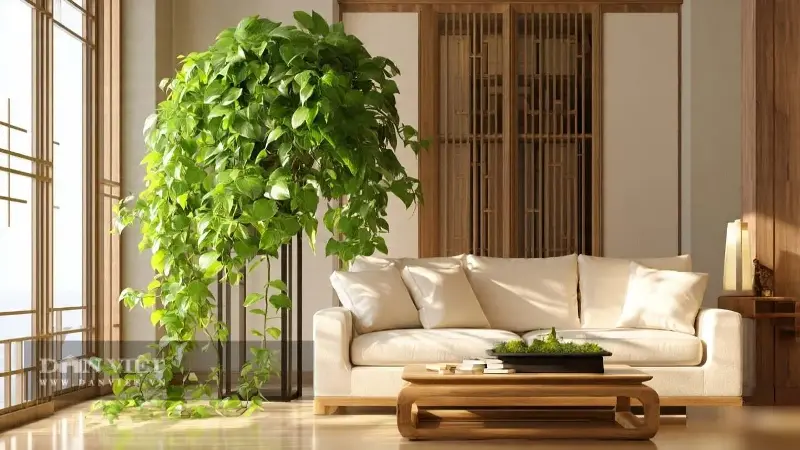
As they cascade down from the high shelves, the soft vines hang like a curtain, resembling a green waterfall, both free-flowing and orderly.
The older the ornamental plants are, the longer their vines become and the thicker their leaves, forming a natural curtain that softens the harsh edges of modern interiors.
The Feng Shui meaning of the pothos plant
The climbing plant of the pothos symbolizes continuous growth and enduring wealth. Its lush green leaves belong to the Wood element, helping to balance energy and neutralize negative energy from sharp corners and pillars.
In particular, the pothos plant, also known as "golden sand," symbolizes bringing gold and silver into the home. Placing it in the southeast direction of the living room will activate the Wealth and Prosperity sector.
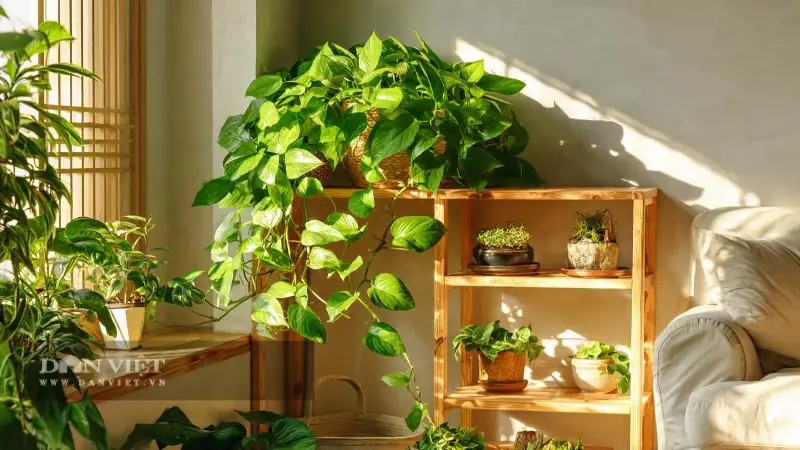
How to care for pothos plants
Pothos is a master of air purification. NASA ranks it among the plants that absorb formaldehyde, benzene, and xylene most effectively. This houseplant thrives in diffused light and only needs watering when the soil is dry.
When you grow this plant, you can forget about it for a few days without it wilting. Having pothos in the house makes the air cleaner and the mind calmer.
The ancients called this the "peace-keeping plant," because houses with green vines cascading down rarely experienced arguments.
2. Snake plant - a protective and stable plant, as solid as a mountain.
Sansevieria (snake plant) Sansevieria It possesses the demeanor of a true gentleman. The leaves are upright and sturdy like a sword blade, with a sharp golden border running along the dark green edge.
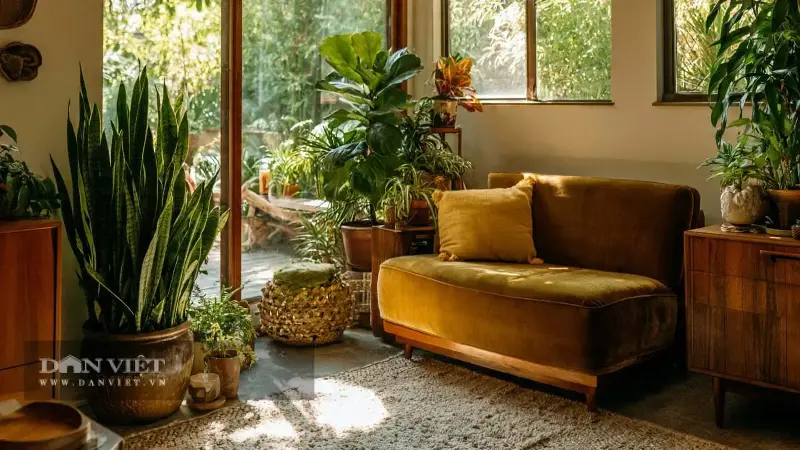
Each leaf is a steadfast, upward-reaching line, neither leaning nor weak. When grown in clumps, the plant resembles a solemn army guarding the house entrance. The beauty of the snake plant lies in its simplicity, its strength without being crude.
The Feng Shui meaning of the snake plant (Sansevieria trifasciata)
The upward-pointing shape of the leaves symbolizes willpower and progress. In the Five Elements, the snake plant belongs to the Wood element but its shape resembles Metal, so it can ward off evil spirits and suppress negative energies in unfavorable locations such as a toilet facing a door, a missing corner, or a beam overhead.
In folklore, the snake plant (Sansevieria trifasciata) is called "tiger's tail," implying the warding off of evil spirits and malicious people. Placing a pair of snake plants on either side of the main door or near the altar of the God of Wealth helps to stabilize the household and ensure financial well-being.
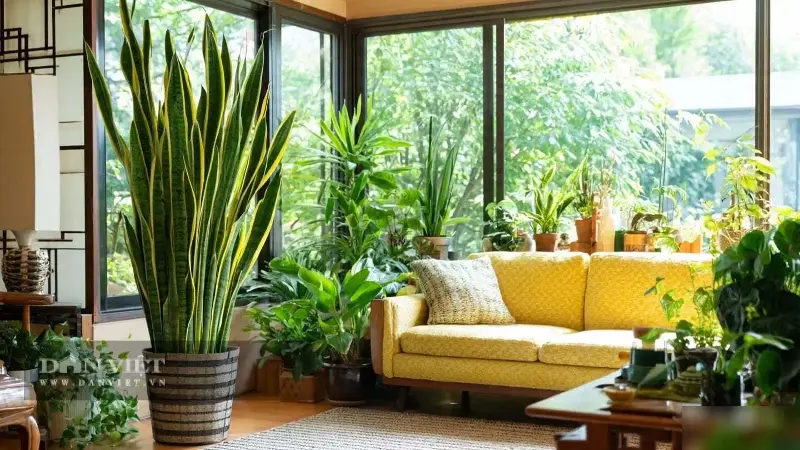
How to care for snake plant (Sansevieria)
Snake plants are rare species that release oxygen at night, making them ideal for placement in a living room or common area. They are extremely drought-tolerant, requiring watering once every two weeks.
Snake plant is suitable for people who travel frequently for work and don't have much time. The more withered the plant, the darker the yellow edges on its leaves – that's when its auspicious energy is strongest.
3. Cymbidium orchid - a noble plant for the living room, calming the mind and soothing the spirit.
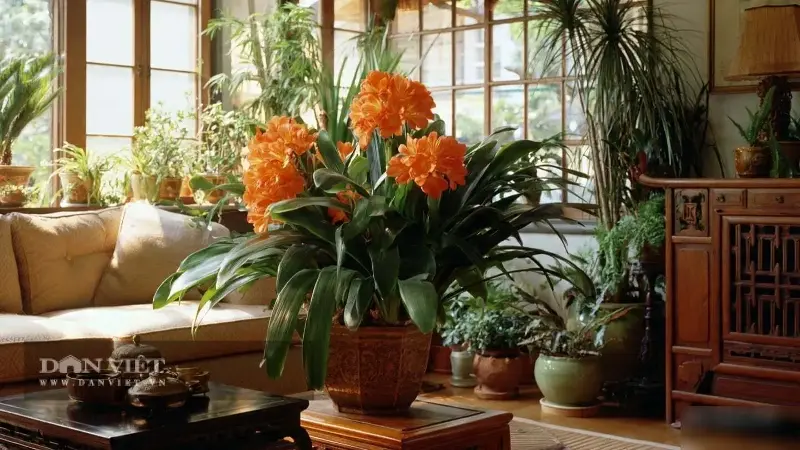
Clivia, as its name suggests, is elegant without being ostentatious. Its leaves are arranged in two symmetrical rows, large, thick, and glossy green as if coated with wax.
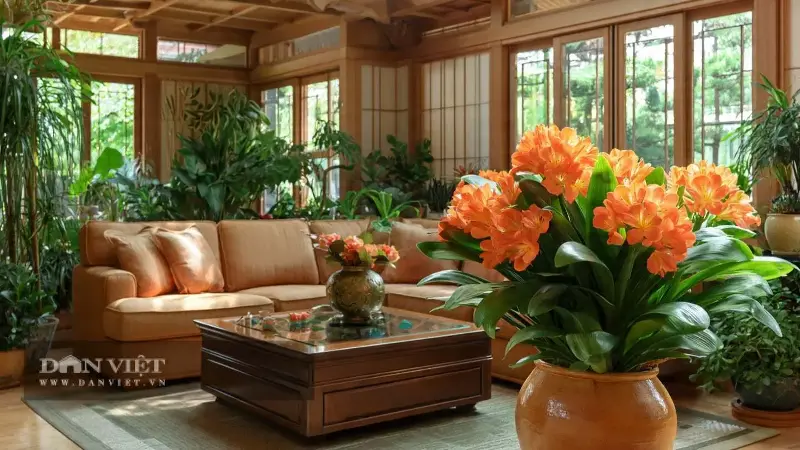
Even before flowering, this bonsai tree is a vibrant work of art. In spring, round flower stalks emerge from the leaf axils, forming clusters of 12-18 bright orange blossoms with bright yellow stamens.
The flowers last for a whole month, as elegant as a chandelier in the middle of a room. The thick, pure white roots symbolize a solid foundation.
The feng shui significance of the Phalaenopsis orchid.
Clivia is a symbol of wealth, prosperity, and a well-mannered family. The word "gentleman" (quân tử) signifies a character that is upright and tolerant.
Flowers blooming precisely during Tet (Vietnamese Lunar New Year) are considered a very auspicious sign, heralding a prosperous year with helpful benefactors. Evergreen leaves symbolize enduring vitality and continuous wealth.
Placing potted plants in the center of the living room, on a raised pedestal, helps to gather positive energy, promote family harmony, and encourage filial piety among children.
How to care for Phalaenopsis orchids
Ornamental plants don't like harsh sunlight; they only need gentle light and good ventilation. Their root system stores water, so they are very sensitive to waterlogging. The soil should be loose and well-drained; water only when the surface of the soil is dry.
Ornamental plants, in particular, don't like being moved. Once they're in one place, they'll live for decades, and their flowers will grow more abundant each year.
Many families consider the Phalaenopsis orchid as a "dowry," passed from mother to daughter when she gets married, as a blessing for lasting prosperity.
Many people are hesitant to grow ornamental plants because they fear the effort and expense involved, but these three plants teach us the principle of "non-interference": the less we interfere, the healthier the plant will be.
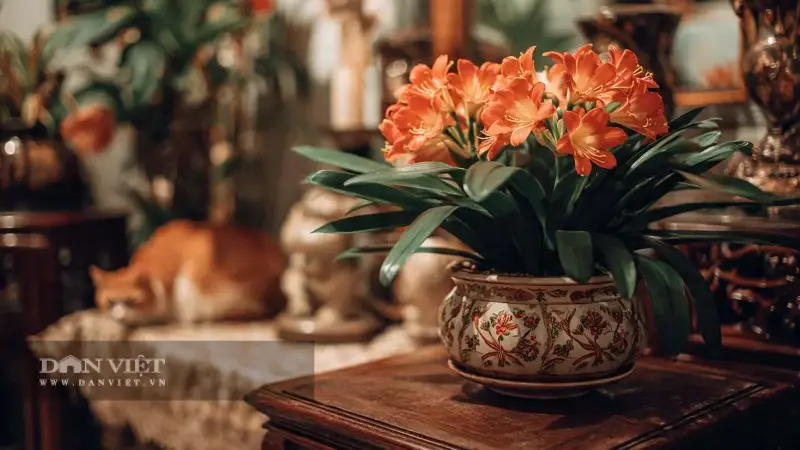
In the morning, I open the door and see the betel vine gently swaying. At noon, I return home and feel a sense of peace at the sight of the majestic snake plant. In the evening, gazing at the smooth, delicate leaves of the cymbidium orchid, my heart naturally finds tranquility.
No matter how hectic life gets, just having a small corner where plants breathe with you can make an ordinary day beautiful. Trimming a yellow leaf, wiping away a speck of dust from a leaf's surface—that too is a form of meditation!