



Bone density gradually decreases with age, especially after age 35 and in postmenopausal women. Adopting a suitable diet, exercising regularly, and undergoing regular health checkups can help maintain strong bones, reducing the risk of osteoporosis and fractures.
1. Why is bone density important?
Many people only pay attention to their bone health when pain occurs or when test results show low bone density. However, bone loss actually begins quite early and occurs silently over many years.
After the age of 30–35, bone mineral density begins to gradually decrease. This process accelerates in postmenopausal women due to declining estrogen levels. Without proper preventative measures, the risk of osteoporosis and fractures increases over time.
Bone density is an indicator of the amount of minerals in bone, primarily calcium and phosphorus. When this density decreases, the bone structure becomes porous and weaker, making bones more susceptible to fractures even from minor impacts. Maintaining a healthy lifestyle, a balanced diet, and appropriate exercise can help slow bone loss and support natural bone density growth.
2. Ways to keep your bones healthy
Here are some ways to help maintain healthy bones:
2.1. Weight-bearing exercises help increase bone density.
Physical activity is crucial for maintaining and improving bone density. Weight-bearing exercises stimulate bone regeneration. When bones are subjected to stress, the body increases the activity of bone-forming cells, thereby making bones stronger.
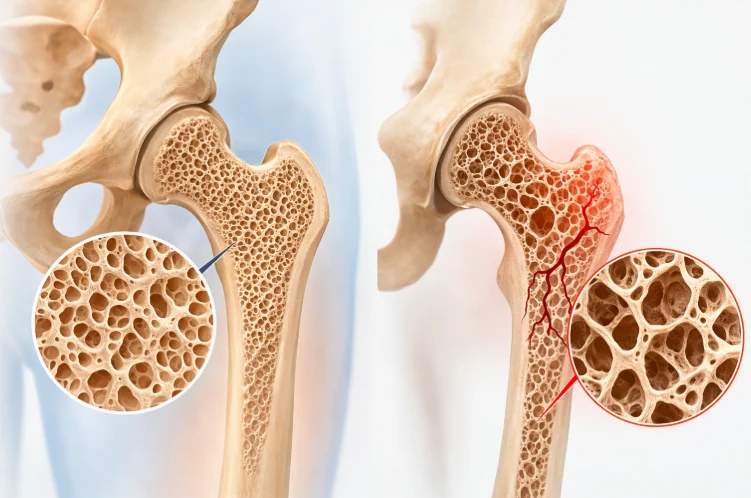
Images of healthy bone (left) and osteoporosis (right).
Some suitable exercises include:
- Fast walking
- Climb the stairs
- Light jogging
- Weight training
- Yoga or pilates...
It is recommended that adults exercise for at least 30 minutes each day, 4–5 days a week. Maintaining a long-term exercise routine can help slow bone loss due to aging.
2.2. Ensure adequate calcium intake in the diet.
Calcium is the most important mineral for bone structure. Approximately 99% of the body's calcium is found in bones and teeth. If the diet does not provide enough calcium, the body will draw calcium from the bones to maintain other physiological functions, thereby reducing bone density.
Some calcium-rich foods include:
- Milk and dairy products
- Yogurt
- Cheese
- Dark green leafy vegetables
- Sesame seeds
- Soybeans and soybean products
- Almond...
Calcium requirements can increase with age. After age 40, maintaining adequate daily calcium intake becomes even more important for protecting bone health.
2.3. Ensure adequate vitamin D intake.
Vitamin D helps the body absorb calcium more effectively from food. If there is a vitamin D deficiency, even with a sufficient amount of calcium in the diet, the body will have difficulty absorbing it, leading to a risk of reduced bone density.
Sources of vitamin D include:
- Sunlight
- Fatty fish (salmon, mackerel)
- Egg yolk
- Milk and foods fortified with vitamin D...
Experts recommend getting about 15-20 minutes of morning sunlight each day. In some cases of vitamin D deficiency, doctors may prescribe supplements in tablet form.
2.4. Supplement protein at appropriate levels.
Protein is not only essential for muscles but also plays a crucial role in bone health. Bone structure is made up of a protein matrix combined with minerals. A lack of protein can affect bone regeneration.
Good sources of protein include:
- Fish
- Egg
- Milk
- Beans
- Lentils
- Green bean
- Kidney beans...
However, experts also note that too much or too little protein can affect bones, so maintaining a balanced diet is important.

Foods rich in calcium and protein, along with exercise equipment, illustrate the important factors in maintaining bone density and supporting strong bones.
2.5. Avoid smoking and limit alcohol consumption.
Smoking is a proven risk factor associated with decreased bone density. The toxins in cigarette smoke can reduce the activity of bone-forming cells and interfere with calcium absorption.
In addition, excessive alcohol consumption increases the risk of bone loss and fractures. Alcohol can affect vitamin D metabolism and reduce calcium absorption. Therefore, quitting smoking and limiting alcohol consumption are important measures to protect bone health.
2.6. Regular health check-ups and bone density tests.
Osteoporosis is often called the "silent disease" because it has virtually no obvious symptoms in the early stages. Many people only discover the disease after a fracture has occurred. Therefore, doctors recommend:
- People over 50 should have their bone density checked regularly.
- People with a family history of osteoporosis should get screened earlier.
The most common method today is measuring bone density using DEXA technology. The results help doctors assess the risk of osteoporosis and determine appropriate treatment or prevention strategies.
2.7. Pay attention to hormonal changes.
Hormones, particularly estrogen in women, play a crucial role in maintaining bone density. After menopause, estrogen levels drop sharply, causing a rapid rate of bone loss. This is why postmenopausal women are at a higher risk of osteoporosis than men. In some cases, a doctor may consider:
- Treatment with anti-osteoporosis medication.
- Hormone replacement therapy (when appropriate).
Consulting with a specialist is essential to choosing a safe method.
2.8 Maintain a balanced lifestyle to protect your bones.
In addition to the measures mentioned above, a healthy lifestyle also plays a crucial role in protecting the skeletal system. Some factors to consider include:
- Get enough sleep.
- Stress management
- Maintain a healthy weight.
- Eat a balanced diet with a variety of food groups...
Being overweight or obese can increase pressure on joints and bones, while being underweight can also reduce bone density.
Combining proper nutrition, regular exercise, and routine health checkups can help maintain strong bones throughout the aging process.
Please note that the information in this article is for reference only and does not replace medical advice. People should consult a doctor or healthcare professional when needing diagnosis and treatment for musculoskeletal problems.