



Many familiar ornamental plants can be grown at home not only for beautification but also to support health care. Some herbs can help improve digestion, relax the mind, and help alleviate mild symptoms.
The trend of growing houseplants indoors is becoming increasingly popular, especially in urban areas. Not only does it make living spaces greener, but many studies show that caring for plants can benefit mental health. Studies also indicate that people who spend time near indoor plants tend to feel more relaxed and experience improved concentration.
- 1. Aloe vera - a houseplant that supports skin care and digestion.
- 2. Lavender is both an ornamental plant and helps improve sleep.
- 3. Peppermint aids digestion.
- 4. Lemon balm helps relax and reduce anxiety.
- 5. Moringa tree
- 6. Oregano supports the digestive system.
- 7. Rosemary
- 8. Thyme
Besides their aesthetic value, some houseplants can also be used as medicinal herbs to support health. Many familiar houseplants can be grown in pots at home, are easy to care for, and can be used to make herbal tea or as spices in meals.
Here are some types of houseplants that can be grown at home and have preventative and curative effects on diseases:
1. Aloe vera - a houseplant that supports skin care and digestion.
Aloe vera is a popular succulent plant that is easy to grow in pots and thrives in sunny locations. Its leaves contain a clear gel often used in skincare. Aloe vera gel is known for its ability to soothe skin after sunburn, irritation, or minor wounds. Some studies suggest that compounds in aloe vera may support tissue regeneration and collagen formation, thus aiding in better skin recovery.
In addition to topical application, aloe vera is also used in some digestive aid products. However, oral use should be approached with caution and medical advice should be sought, as excessive use can cause digestive disorders.
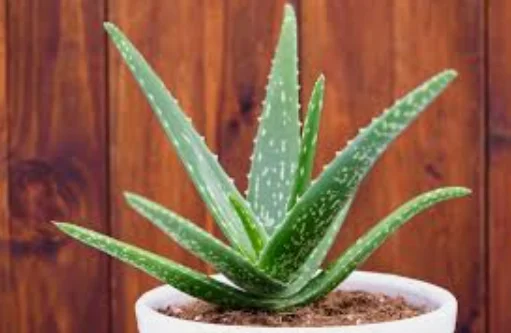
Aloe vera plants are both ornamental and beneficial for skincare.
2. Lavender is both an ornamental plant and helps improve sleep.
Lavender is a popular ornamental plant known for its pleasant scent and is often used in aromatherapy. It can be grown indoors if placed near a sunny window. Lavender essential oil has been extensively studied in the field of mental health. Some studies suggest that the scent of lavender may help reduce stress, improve sleep quality, and promote relaxation.
Dried lavender flowers can also be used to make herbal tea or added to some dishes; however, they should be used in small quantities to avoid altering the flavor of the food.
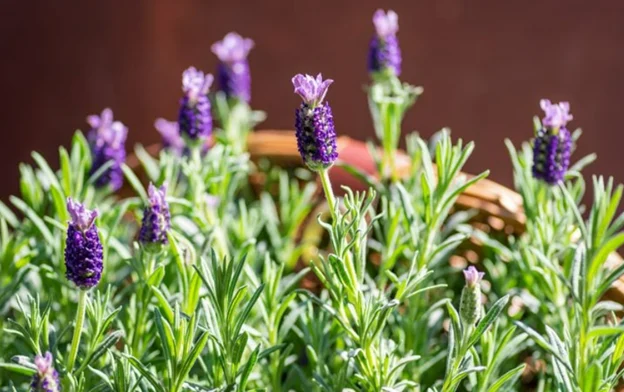
Lavender.
3. Peppermint aids digestion.
Mint is one of the easiest herbs to grow. It grows quickly and adapts well to potted conditions. Mint leaves contain menthol – a compound that has a cooling effect and helps relax the smooth muscles of the digestive tract. Therefore, mint tea is often used to relieve bloating, indigestion, or mild nausea.
Additionally, mint is used in folk remedies to relieve sore throats or soothe the respiratory tract during mild colds.
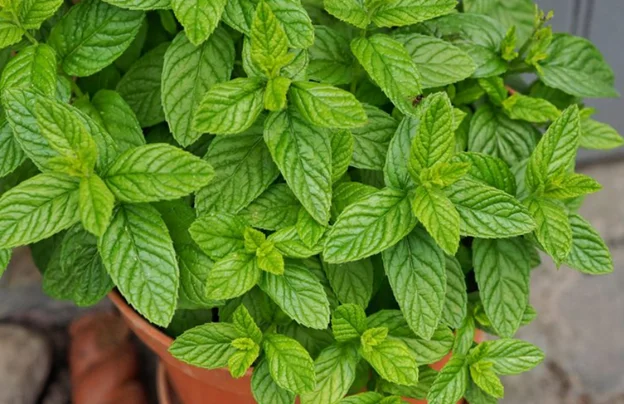
Mint.
4. Lemon balm helps relax and reduce anxiety.
Lemon balm, belonging to the mint family, has a mild, lemon-like aroma. It's an herb that has long been used in traditional European medicine. Studies suggest that lemon balm may have a calming effect on the nerves, help reduce stress, and improve sleep. Some studies also note that this herb may help alleviate symptoms of indigestion.
The fresh leaves of the plant are often used to make herbal tea or added to salads and drinks.
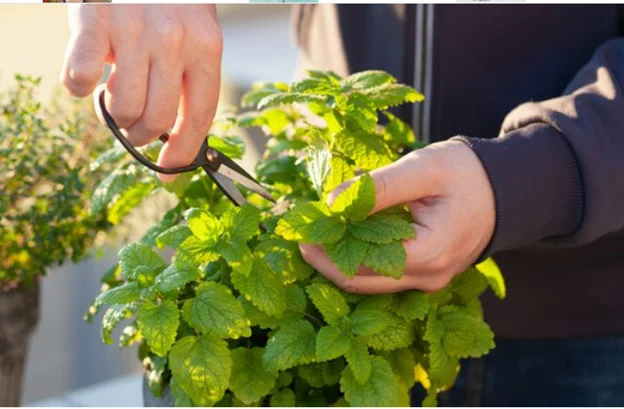
Lemon perilla.
5. Moringa tree
Moringa is a highly nutritious plant widely grown in many tropical countries, including Vietnam. It can be grown in large pots or in gardens. Moringa leaves are rich in vitamins and minerals such as vitamin A, vitamin C, calcium, iron, and plant protein. Therefore, in many countries, moringa is used as a nutritional supplement.
Some studies also suggest that moringa contains many antioxidants that may help reduce inflammation and support cardiovascular health.

Moringa tree (ornamental plant).
6. Oregano supports the digestive system.
Oregano is a familiar spice in many dishes, especially Mediterranean cuisine . This plant is quite easy to grow in pots and thrives in plenty of sunlight. Oregano essential oil contains compounds such as carvacrol and thymol – substances with antibacterial and antioxidant properties. In folk medicine, oregano is often used to aid digestion and reduce bloating.
In addition, oregano enhances the flavor of many dishes without requiring much salt.
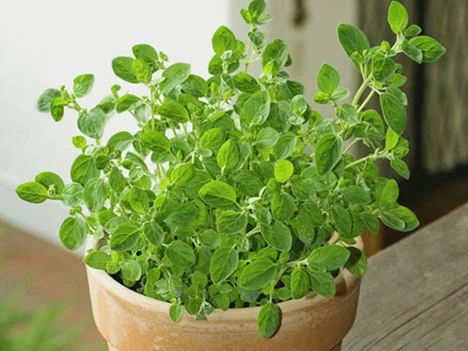
Oregano bonsai plant.
7. Rosemary
Rosemary is a popular herb in cooking and can be grown indoors. It contains many antioxidant compounds and is believed to aid digestion and reduce bloating. The aroma of rosemary leaves is also thought to help increase alertness and improve short-term memory.
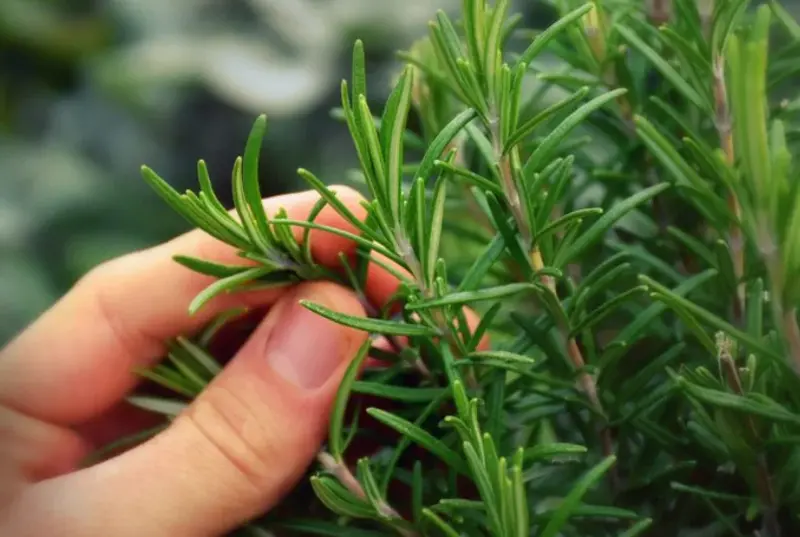
Rosemary.
8. Thyme
Thyme is a familiar herb in cooking and is also used in traditional medicine due to several beneficial biological properties. Its leaves can be used to make herbal tea or as a spice in dishes such as soups, salads, and stews.
Thyme contains many active compounds such as thymol and carvacrol, which have antibacterial and antioxidant properties. Therefore, this herb is often used in folk remedies to help alleviate mild cold symptoms, coughs, and improve digestion.
Thyme is a sun-loving plant and thrives when grown in direct sunlight. If grown indoors, place the pot near a window that receives a few hours of sunlight each day. This plant is quite easy to care for and comes in many different varieties, such as lemon thyme or creeping thyme, suitable for growing in pots at home.
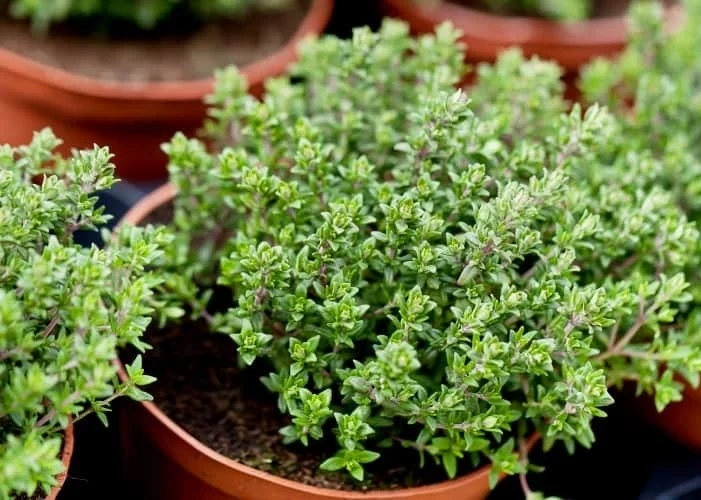
Musk.
Growing medicinal plants at home can be a simple way to incorporate natural herbs into your daily life. However, their use should be based on scientific understanding and should not replace conventional medical treatments.
Although many plants can support health care, the use of herbal remedies requires caution. Some plants may cause allergies or interact with medications. Health experts recommend that herbal remedies should only be used to alleviate mild symptoms. For chronic illnesses or persistent symptoms, people should seek medical advice and appropriate treatment.
Readers are invited to read more: