



Aralia is a familiar plant in our country. People grow it to purify the air, eat its leaves raw as a common vegetable, and also use the leaves to make tea for daily consumption.
The benefits of Centella asiatica leaves
In traditional medicine, the plant known as "Panax notoginseng" is used as a medicinal herb due to its antioxidant, anti-inflammatory, and antibacterial properties. In Southeast Asia, it is known as the "ginseng of the poor." The leaves of Panax notoginseng have several properties and uses, including:
Leaf Panax notoginseng is used to treat digestive problems, including diarrhea. In particular, drinking a decoction of Panax notoginseng leaves is said to promote lactation in postpartum mothers.
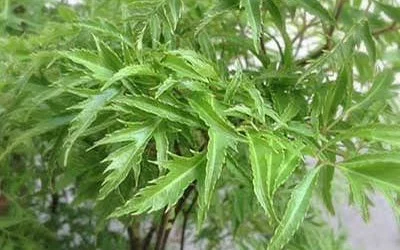
The leaves of the Aralia plant contain amino acids, vitamin B, and polyphenols that help fight oxidation and toxins. Aralia leaves also help control blood sugar and lipids, reduce cholesterol and triglycerides, lower LDL-C (bad cholesterol), and increase HDL-C (good cholesterol). Furthermore, Aralia leaves have mild sedative properties and promote restful sleep.
The leaves of the Aralia plant are commonly used to help reduce bruising, muscle aches, and other problems. Topical application can speed up the healing process.
The leaves of the Aralia plant have a certain effect in improving rheumatoid arthritis, joint swelling, and numbness in the hands and feet. They can be used by steaming or soaking in alcohol after decoction.
Crushed leaves can be applied topically to relieve symptoms such as mosquito bites, redness, swelling, burning, and skin pain; however, this is only a temporary solution and should be used appropriately depending on the individual's condition. The effects of Centella asiatica leaves should not be overestimated. Additionally, Centella asiatica leaf water is boiled and added to bathwater for infants to reduce boils.
Leaf When boiled with water, the plant known as "đinh lăng" (a type of medicinal herb) helps to cool the body and relieve heat during the summer, and can alleviate jaundice, hepatitis, or urinary tract infections.
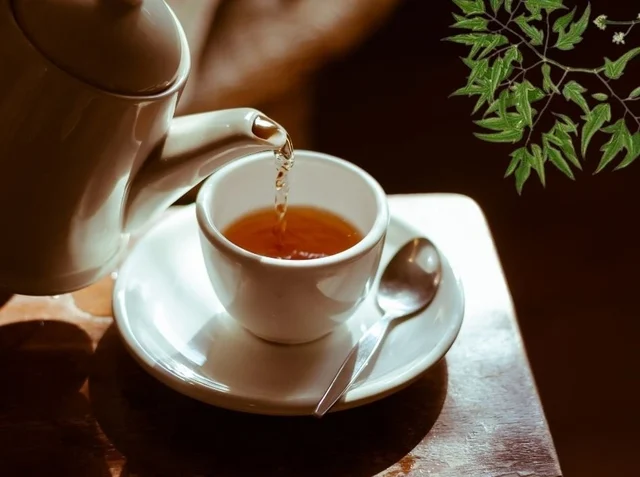
Centella asiatica leaf tea has health benefits, but it should not be consumed in excessive amounts.
Is it good to drink Centella asiatica leaf tea daily?
Drinking water infused with Centella asiatica leaves daily offers many health benefits, but it also carries potential risks and unwanted side effects if consumed in excessive amounts. The leaves, stems, and roots of Centella asiatica contain toxins that can be harmful if consumed in large quantities. These toxins include Saponin – a substance that causes acute poisoning; excessive consumption can easily lead to dizziness, nausea, and vertigo. Prolonged consumption of Saponin can cause dangerous reactions in the body, such as red blood cell destruction, digestive disorders, and stomach cramps.
Therefore, before using Centella asiatica for health protection and enhancement or as food or daily tea, we should correctly identify the type of plant and consult with qualified doctors before use. Ideally, no herbal remedies should be used for excessively long periods; take a 10-day break after one month of use to ensure safety for the body.
Things to note when using Centella asiatica leaves
Pregnant women, people with allergies, and those with open wounds should avoid using it; breastfeeding women, although it is known to have milk-boosting effects, should also use it with caution.
While it's effective for treating swelling, itching, and rashes, it can also cause skin irritation, swelling, and severe pain in the mouth and throat if not used correctly. Overdosing can cause gastrointestinal discomfort or dizziness.
If symptoms persist or worsen (such as severe joint swelling and pain, or infection from an injury), see a doctor immediately and avoid self-treating without guidance from a qualified medical professional.