



Having just watched Antonin Baudry’s two-part epic on the wartime exploits of Charles de Gaulle – a masterpiece – I was prompted to think about how well (or otherwise) the cinema treats historical subjects. Baudry sensibly stuck closely to Julian Jackson’s unsurpassable biography of de Gaulle, A Certain Idea of France, mentioned in this column recently. The films have fictional elements, but do not distort the facts. Being a pedant, I judge historical films by one criterion: would I want a viewer to believe he or she had seen a representation of the truth, or simply to treat the film as entertainment? Some are absorbing, if you take their purported portrayal of history with a pound or two of salt: others, sadly, are too wildly inaccurate even to be that.
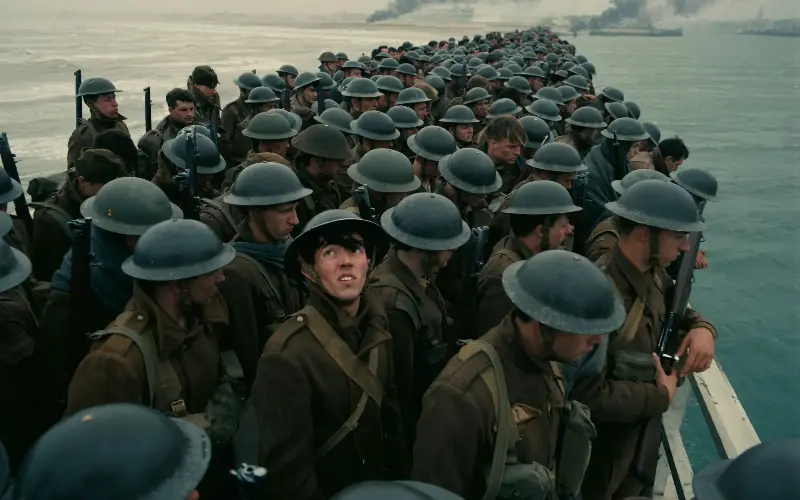
Three British films of recent years showed different degrees of misrepresentation of history. Christopher Nolan’s Dunkirk (2017) gets most of the facts right, and was acclaimed on release. But it looks wrong from beginning to end. The evacuated troops are too tidy, well-kempt and well-fed. Most had been in retreat for days, living off the land as best they could without changes of clothes and with the most basic personal hygiene. It’s all a bit pretty and does not convey an accurate impression of the evacuation, for all the nastiness of war that Nolan put into it.
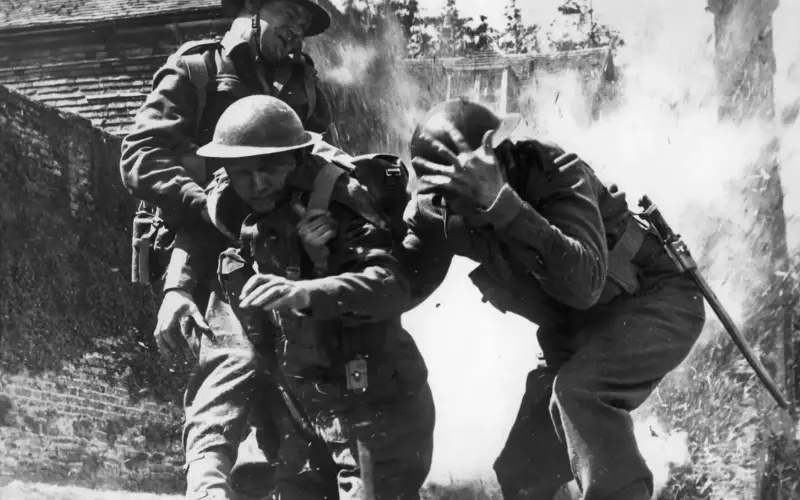
If you want to see a more realistic depiction of what went on, then seek out the DVD of Ealing’s Dunkirk, made in 1958 with some of the finest British actors of the era, most of whom could vividly remember the time of the evacuation. Myth is one thing, the accuracy of memory another. Imagination is quite something else, and cinematically is too often exercised with inadequate regard for reality.
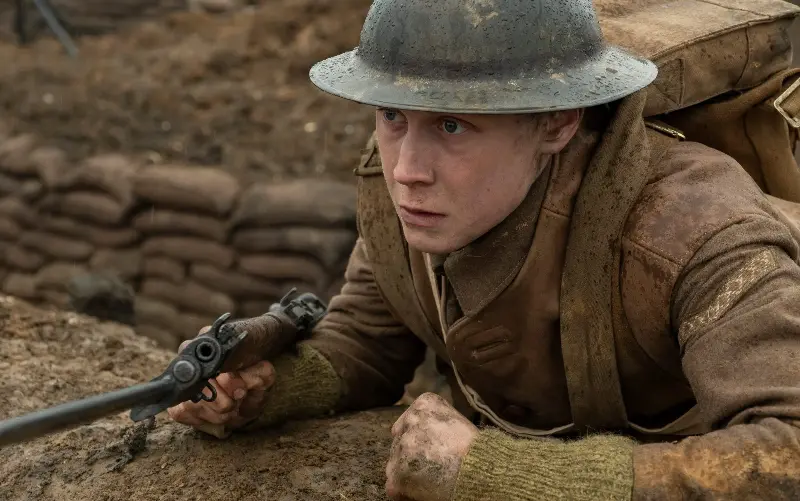
Matters were far worse in another hugely acclaimed film of the past decade, Sam Mendes’s 1917 (2019). This film is so full of historical and factual errors that it verges on the preposterous. Set on the Western Front in the Great War, it might just as well have been set in Narnia. The trench systems are wrong, the standards of dress are wrong, some of the weaponry is wrong, the basic discipline is wrong, the geography is wrong (the area around Arras does not have any waterfalls, a feature that plays a crucial part in a rather dodgy plot), even the haircuts are wrong. I could go on.
From the moment the film starts, it is clear, even to the most boneheaded viewer, that the topography is entirely absurd. Anyone watching it who was unfamiliar with the true history and nature of the Great War would be woefully deceived. Anyone familiar with it would think it was rubbish. It is one of those moments in which suspension of disbelief, something I have always found difficult, comes in exceptionally useful.
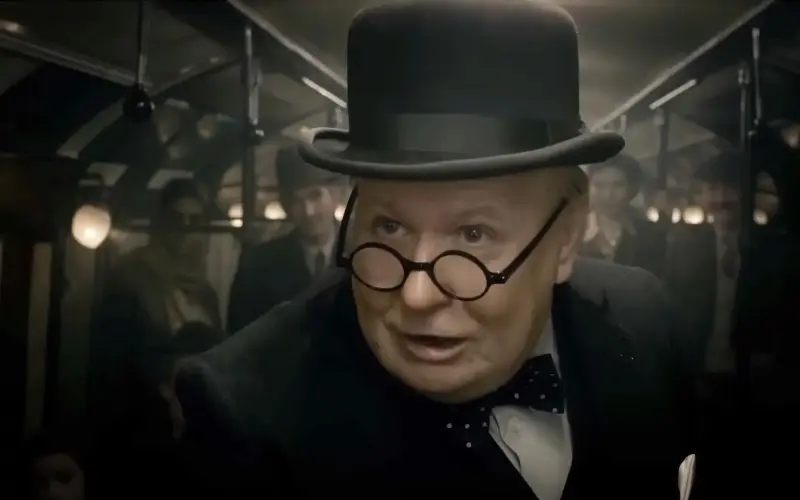
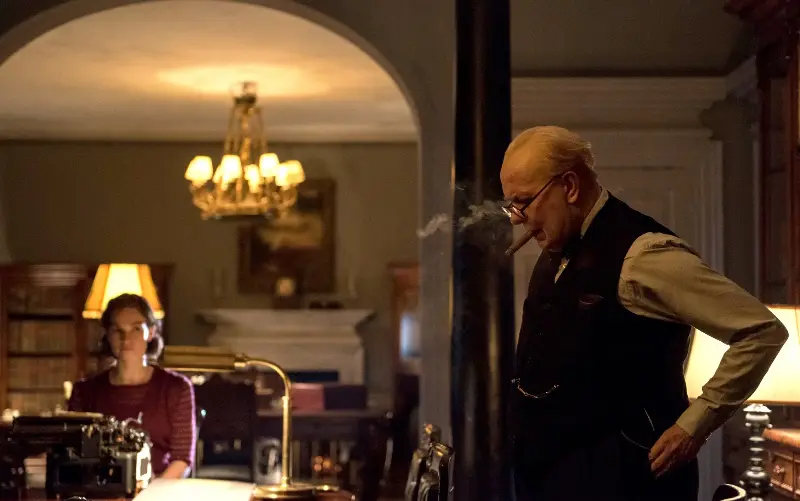
The third film is Joe Wright’s Darkest Hour, about Churchill and set, like Dunkirk, in the late spring of 1940. Gary Oldman won an Oscar for his portrayal of Churchill, and I should not dream of diminishing his performance. The script, though, is trash. I recall that when seeing it, I very nearly gave up in the scene when Churchill descended into the Tube to meet the public and gauge their opinions on the conduct of the war. He was the sort of man who, had he ever resorted to the Tube, would have looked at once for the buffet car. And much of his greatness as a war leader lay in the fact that he knew instinctively and from experience what had to be done without asking the public.
It is patronising nonsense. And the list of other errors beyond this fantasy trip underground is formidable: a leading character in the film is his secretary, who did not in fact join his office until a year later; cars with glaring headlights zoom around in the blackout; Mrs Churchill listens to one of her husband’s legendary speeches live from the House of Commons, the best part of 40 years before parliamentary proceedings were actually broadcast on the radio.
Perhaps because of the use of history as light entertainment, and the increasing failure to teach it properly in schools or universities, filmmakers have such contempt for the past that they feel they can do what they like with it. Good luck to them. What worries me, not so much as a writer of history but as a concerned citizen, is that we are told many people (again because of the deficiencies of our education system) get their historical knowledge from films such as I have described. God help them: luckily, books remain available.