



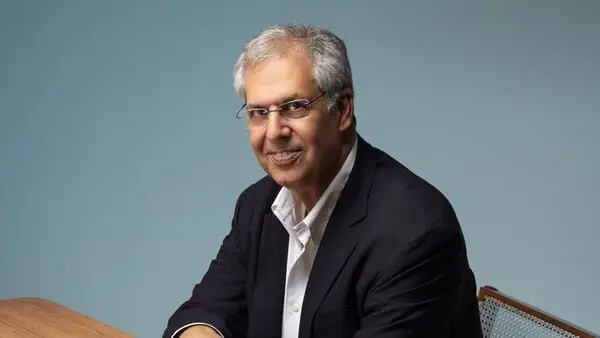
Noel Tata, chairman of Tata Trusts, will step down from the boards of six major Tata Group companies on 12 November, when he turns 70. The move is neither sudden nor related to the ongoing tussle within the conglomerate over the listing of Tata Sons and the reappointment of N Chandrasekaran as the Executive Chairman for a third five-year term. Instead, Noel Tata's exit is understood to be in line with the group's retirement policy for non-executive directors.
What will change?
Upon turning 70, Noel Tata will cease to be the non-executive chairman of Trent, Voltas, Tata Investment Corporation, and non-executive vice-chairman of Tata Steel and Titan Company. His succession plan has not yet been announced.
What will not change?
Despite stepping down from the board of six major Tata Group companies, Noel Tata will continue as a nominee director on the board of Tata Sons. He will also remain chairman of Tata Trusts, which collectively owns about 66% of Tata Sons. As a result, he is expected to retain significant influence within the Tata Group.
“Noel Tata's exit from six boards at seventy reflects group policy, not the Companies Act. The Companies Act, 2013 fixes no age limit for non-executive directors; its seventy-year threshold applies only to managing and whole-time directors and managers. Noel Tata is a non-executive director, so he does not fall in that restriction,” Abhishek Tripathi, Managing Partner, Sarthak Advocates and Solicitors told Livemint.
What are special powers of the Trusts?
Right to nominate directors: Section 104B of Tata Sons’ Articles of Association allows the Sir Dorabji Tata Trust (SDTT) and the Sir Ratan Tata Trust to jointly nominate one-third of the Tata Sons board, provided the Tata Trusts collectively hold at least 40% of the company. They can also remove a director. Tata Sons currently has two Trust nominees -- Noel Tata and Venu Srinivasan.
Participation in board decisions: Article 121 requires support from a majority of the Trust-nominated directors for board decisions covered by the provision. Separately, Article 115 also links the board meeting’s quorum to the presence of a majority of the relevant Trust nominees. These provisions give the trust nominees formal governance in Tata Sons.
Role in choosing Tata Sons chairman: Article 118 provides for a five-member selection committee to recommend a new Tata Sons chairman. The committee includes three people jointly nominated by the two Tata Trusts, one of whom is Noel Tata. The current dispute includes whether this procedure was required for Chandrasekaran’s reappointment. These are rights attached to Tata Trusts’ nominee-director framework, not an unrestricted personal veto for Noel Tata over every Tata Sons decision. The disagreement centres on how the Articles should be interpreted.
“As regards Tata Sons seat, under Articles 104B and 121, the Trusts, holding about 66 per cent, can nominate one-third of the board, and any matter decided by board majority also needs the affirmative vote of a majority of the nominee directors - a right the Supreme Court's 2021 judgment declined to treat as oppressive. That is a potential veto, not control” Tripathi said.
“Tata is one of two nominees, and how the Articles apply to the current disagreements is unresolved. Under Companies Act his fiduciary duty, like every other director's, are to the company, i.e. Tata Sons, irrespective of whoever nominated him. However, since Tata Sons is sitting at the apex level, if he is able to influence the Tata Sons’ decision making process, that may have a cascading effect on all the other companies below Tata Sons, though the influence may get diluted, depending on the control that Tata Sons has over those companies,” he added.