


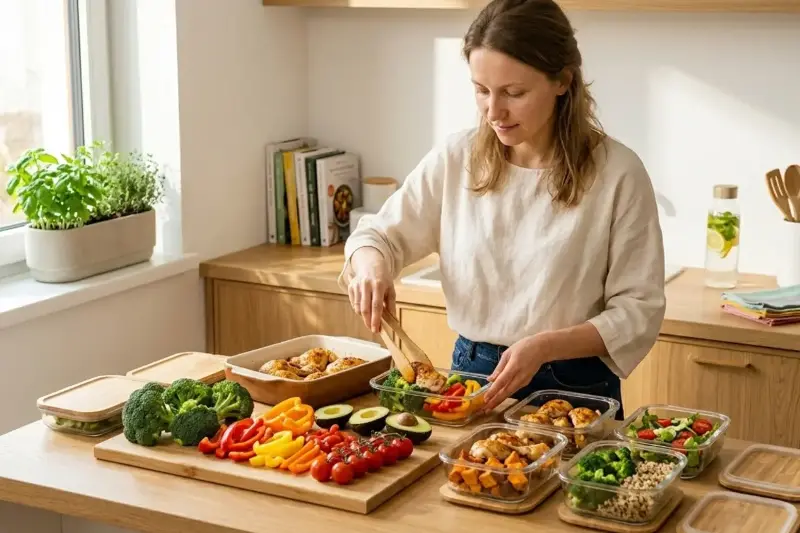
A demanding workday can make dinner feel like one more deadline. Yet meal prep does not need to mean spending an entire Sunday surrounded by identical containers of chicken and rice. The most effective approach is simply preparing a few flexible ingredients in advance, so good meals come together quickly when time and energy are low.
For busy professionals, saving even 20 minutes on three weeknights reclaims an hour for exercise, family, rest, or personal projects. Planning meals also reduces the temptation to order expensive takeout. Food prepared at home generally costs less per serving while giving you complete control over salt, sugar, and portion sizes.
Start with a Realistic Plan
A successful meal prep routine begins with an honest look at your calendar. Instead of planning seven elaborate dinners, choose two or three main dishes and one flexible backup meal:
-
Map out busy nights: If you have late meetings, plan the easiest meals for those evenings.
-
Repurpose key ingredients: A tray of roasted vegetables and protein can become a grain bowl, a wrap filling, or a salad topper.
-
Batch-cook staples: A pot of lentil soup can cover several lunches and freeze well for another week.
The Core Meal Formula: Choose one protein, two vegetables, one carbohydrate, and one flavor booster. For example, roasted salmon, chickpeas, broccoli, sweet potatoes, cooked quinoa, and a lemon yogurt sauce create multiple distinct combinations.
Choose Ingredients That Work Hard
Select ingredients that stay fresh, reheat well, and fit into various dishes:
-
Convenient Proteins: Eggs, canned beans, lentils, roasted chicken, tofu, and Greek yogurt.
-
Filling Carbohydrates: Brown rice, couscous, quinoa, whole-wheat pasta, and sweet potatoes.
-
Sturdy Produce: Carrots, cabbage, cauliflower, and bell peppers last much longer than delicate greens.
-
Pantry Standbys: Canned tomatoes, tuna, jarred sauce, tortillas, frozen peas, and pre-cooked rice turn an empty fridge into a quick dinner.
Roasting Tip: Spread vegetables in a single layer on a baking tray at 220°C (425°F). Crowding the pan causes vegetables to steam rather than caramelize.
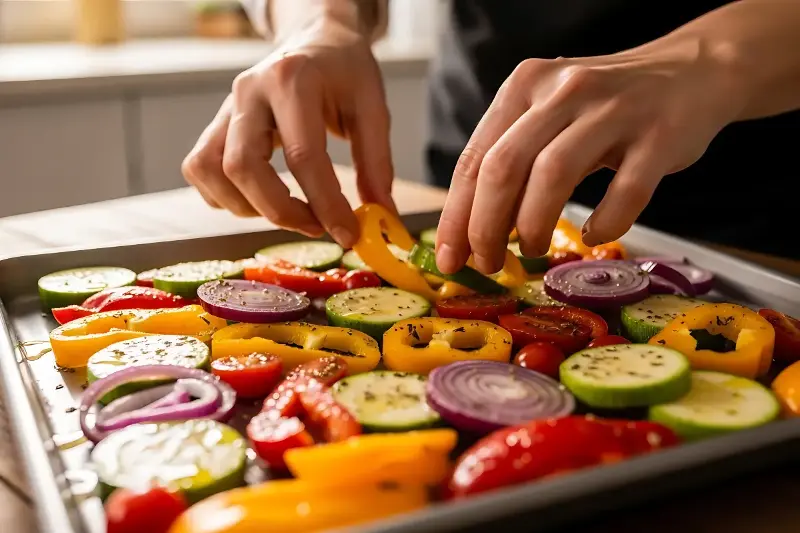
Cook in Components, Not Identical Meals
Preparing separate components is the easiest way to avoid meal fatigue. Cook a grain, roast vegetables, prepare a protein, and mix a simple sauce. Store each part separately and combine them differently throughout the week:
-
Monday: Combine quinoa, chicken, and roasted vegetables into a grain bowl with tahini dressing.
-
Wednesday: Roll those same ingredients into a whole-wheat wrap with spinach and hummus.
-
Friday: Toss them in a warm skillet with a little soy sauce and a scrambled egg for a fast stir-fry.
Sauces create the biggest flavor shift with the least effort. A basic yogurt sauce can be seasoned with lemon and herbs for Mediterranean bowls, curry powder for a warm spiced dip, or sriracha for extra heat.
Keep Food Safe and Fresh
Build simple food safety habits into your routine to keep meals fresh and delicious:
-
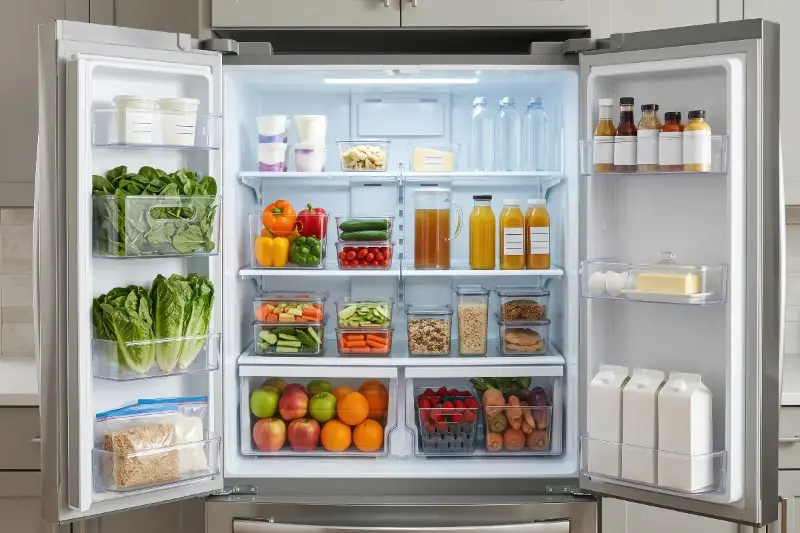
Cool Quickly: Refrigerate cooked foods within two hours in shallow containers so they cool rapidly.
-
Observe the 3–4 Day Rule: Enjoy refrigerated cooked meals within three to four days; freeze anything extra immediately.
-
Reheat Thoroughly: Ensure leftovers are steaming hot throughout, stirring halfway through microwave heating to eliminate cold spots.
Build a Routine That Lasts
The goal is consistency, not perfection. A short 45-minute prep session is enough to wash produce, cook rice, roast vegetables, and portion snacks. Attach meal prep to a enjoyable habit, like listening to a favorite podcast or music playlist. When a few prepared ingredients are waiting in the kitchen, eating well becomes less of a chore and more of a welcome pause in a busy day.