


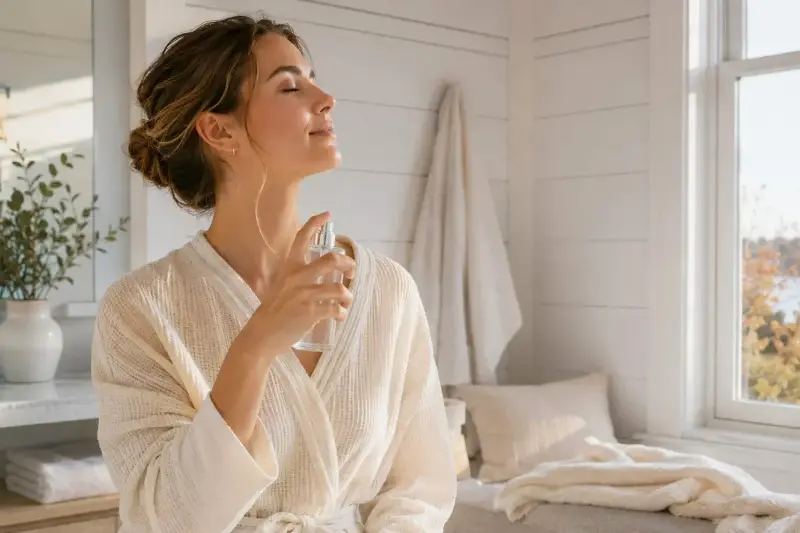
A fragrance can smell completely different on two people, even when sprayed from the exact same bottle. One person may experience a bright citrus opening and soft vanilla dry-down, while another notices warm spices, rich musk, or sharper floral notes. This is not imagination—perfume is a complex chemical composition, and every wearer provides a unique environment for that fragrance to unfold.
Rather than sitting unchanged, a perfume actively interacts with body temperature, skin oils, moisture levels, and natural microflora. Understanding these factors helps explain why a scent that feels perfect on a paper tester can tell a very different story on your skin.
The Chemistry of Skin and Natural Oils
Human skin has a slightly acidic surface known as the acid mantle, typically maintaining a pH around 4.7 to 5.7. This delicate layer influences how fragrance ingredients evaporate over time:
- Evaporation Rates: Lighter aromatic molecules, such as citrus and green notes, rise first. Heavier compounds like amber, sandalwood, and vanilla remain longer on the skin.
- The Role of Sebum: Natural skin oil (sebum) traps fragrance molecules. Oily skin helps a scent project strongly and last throughout the day.
- Dry Skin Effects: Dry skin allows perfume to evaporate more rapidly, causing fresh top notes to fade sooner.
How Body Heat Transforms Performance
Warmth encourages fragrance molecules to diffuse quickly. People with higher natural body temperatures often find that a perfume develops faster and projects more noticeably:
- Warm Climates and Seasons: Heat enhances spicy, floral, and rich gourmand notes, while cooler weather keeps a fragrance closer to the body.
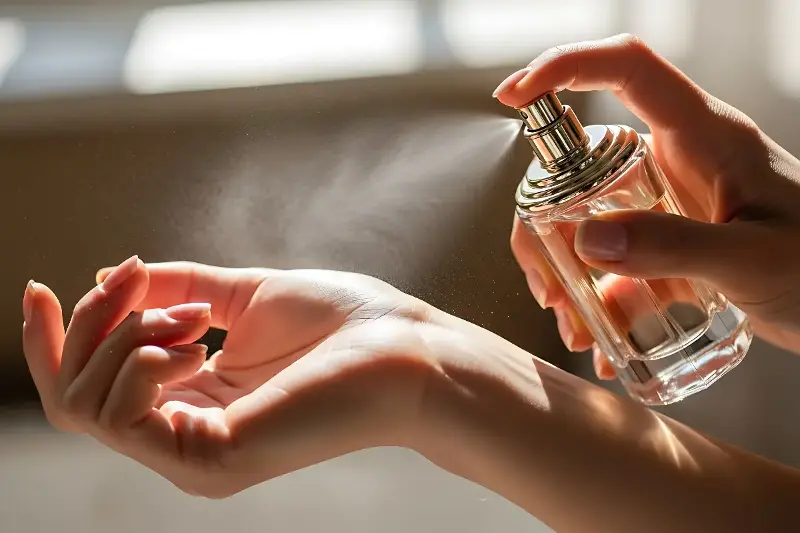
- Strategic Pulse Points: Applying perfume to warm areas—such as the wrists, neck, and inner elbows—helps radiate the scent efficiently.
- Environmental Humidity: Moisture in the air slows down evaporation, creating a fuller, more lasting scent aura.
The Influence of the Skin Microbiome and Daily Factors
Every individual carries a distinct skin microbiome—a natural community of microscopic organisms that contributes to the body's baseline scent. Perfume blends directly with these natural underlying notes rather than simply masking them.
Additionally, everyday lifestyle factors play a key role in scent performance:
- Hydration and Wellness: Hydrated skin retains fragrance far better than dehydrated skin.
- Hormonal Changes: Natural fluctuations can alter skin oil production and body temperature, subtly shifting how a favorite perfume smells.
- Diet and Energy: Fresh foods, hydration levels, and personal wellness influence your baseline skin chemistry and overall warmth.
Why Paper Strips Cannot Tell the Whole Story
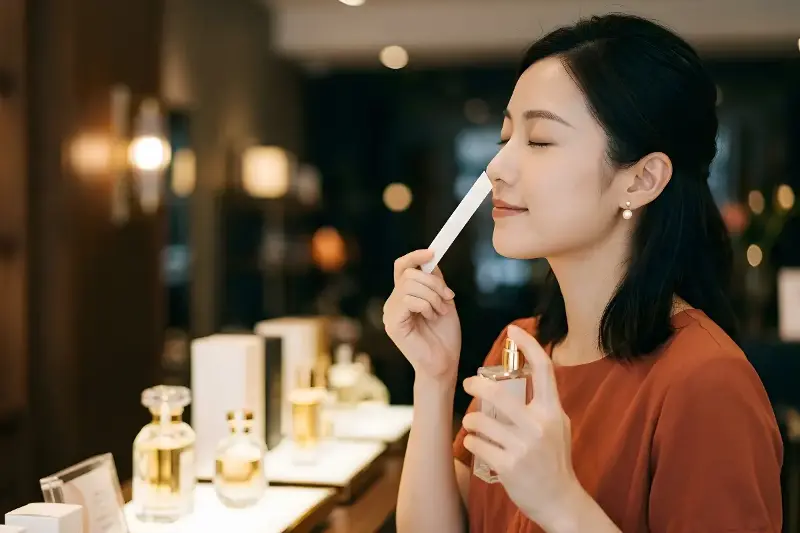
A paper blotter is useful for discovering a perfume's basic notes, but paper lacks warmth, oil, moisture, and a personal scent profile.
To truly test a fragrance:
- Apply directly to skin: Spray once on your wrist or inner arm without rubbing your wrists together.
- Avoid friction: Rubbing creates unnecessary heat that can break down delicate top notes prematurely.
- Wait for the dry-down: Allow the fragrance to evolve over 3 to 6 hours to experience the deep base notes before making a decision.
Simple Techniques to Extend Fragrance Longevity
If you want your favorite scent to last longer without reapplying constantly, consider these practical application tips:
- Moisturize First: Apply an unscented body lotion or moisturizer before spraying. Hydrated skin gives aromatic oils something to cling to.
- Lightly Spritz Clothing: Natural fabrics like cotton, wool, and cashmere hold fragrance notes for extended periods.
- Hair Mists: Hair carries scent beautifully throughout the day; opt for alcohol-free hair mists to keep strands soft and fragrant.
Finding a scent that interacts harmoniously with your personal chemistry turns a simple perfume into a memorable, signature personal statement.