


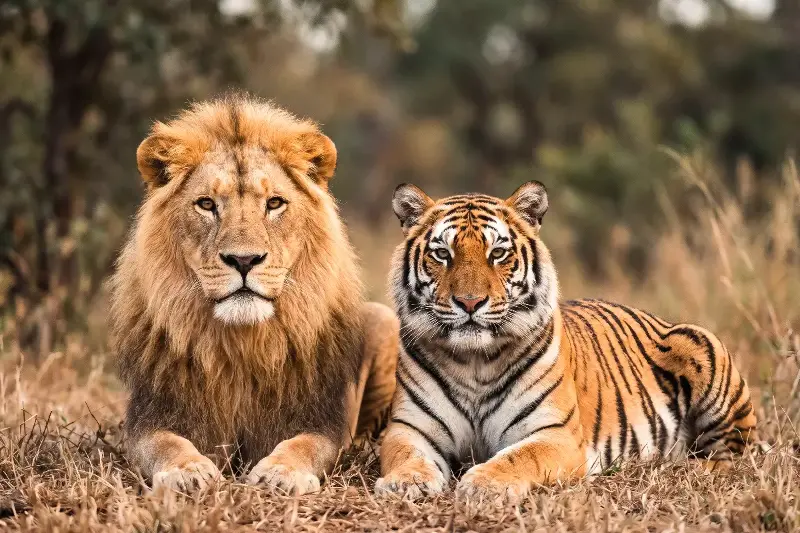
Lions and tigers are the world’s most famous big cats, often compared for their beauty, strength, and legendary status. From tales in ancient cultures to modern wildlife documentaries, the debate simmers: who truly rules as king of the wild?
While both claim impressive titles—lions as the "king of the plains" and tigers as the solitary masters of their domains—the answer is anything but simple. Let's dive into their fascinating worlds and see what makes each creature so extraordinary.
ORIGINS AND HABITATS: TWO WORLDS APART
Lions and tigers, though close cousins in the animal kingdom, live in dramatically different environments:
- Lions (Panthera leo): Roam the vast grasslands and savannas of Africa, surviving in close-knit family groups called prides. These prides can have up to 40 members working together to patrol territory and hunt.
- Tigers (Panthera tigris): Solitary wanderers of dense forests, tall grasslands, and mangrove swamps across Asia. Each tiger carves out a large territory—sometimes over 100 square kilometers—and fiercely defends it alone.
With no family pride to back them up, tigers rely completely on their own stealth, while lions flourish through deep social cooperation.
PHYSICAL POWERHOUSE: A TALE OF TWO TITANS
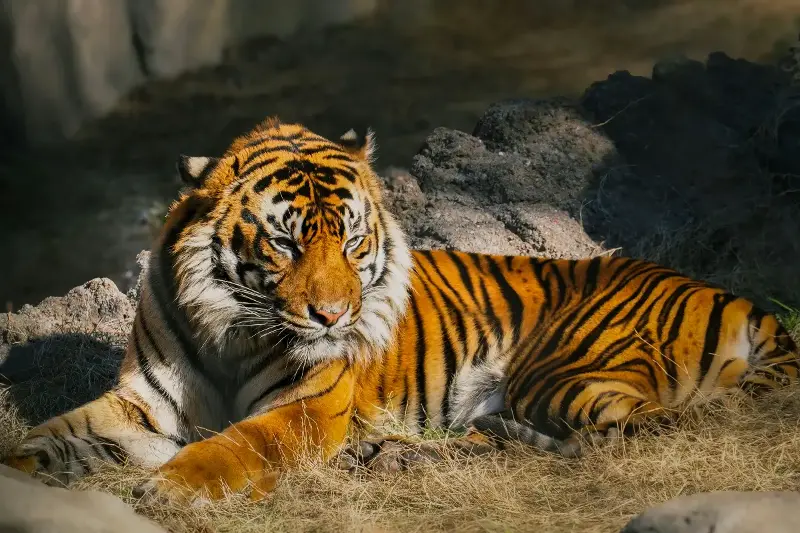
When it comes to sheer size, the mighty tiger edges ahead. The largest sub-species, the Siberian tiger, can weigh up to 320 kilograms (705 pounds) and stretch well over three meters (10 feet) from nose to tail. Even the Bengal tiger regularly outsizes the average lion.
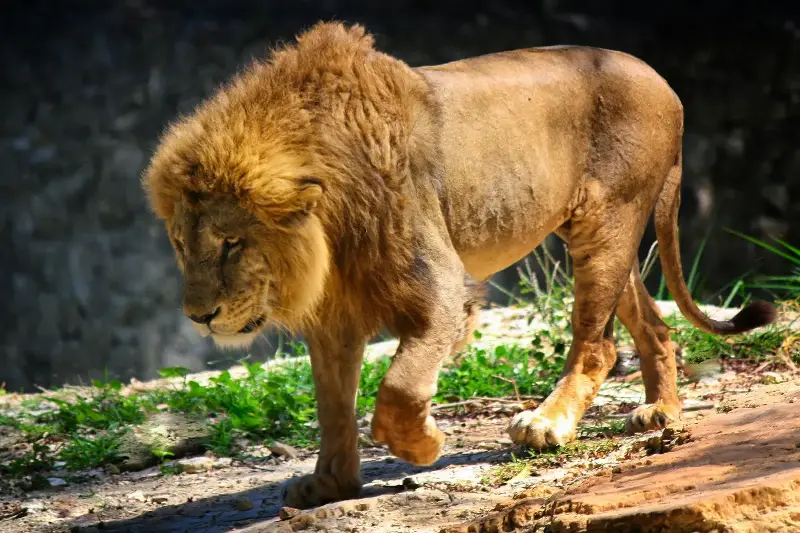
In comparison, male African lions typically weigh between 150 to 250 kilograms (330 to 550 pounds). Still, with their regal manes and robust builds, lions are incredibly impressive.
Muscle power also manifests differently in each cat:
- The Tiger: A tiger’s intensely muscular build gives it tremendous leaping ability and a bone-crushing bite. They rank among the strongest biters in the animal kingdom.
- The Lion: Lions possess incredible stamina. Working as a team during hunts, they can run up to 80 kilometers per hour (50 miles per hour) in short bursts to bring down massive prey.
TACTICS AND SOCIAL STRUCTURE: PRIDE COOPERATION VERSUS LONE HUNTERS
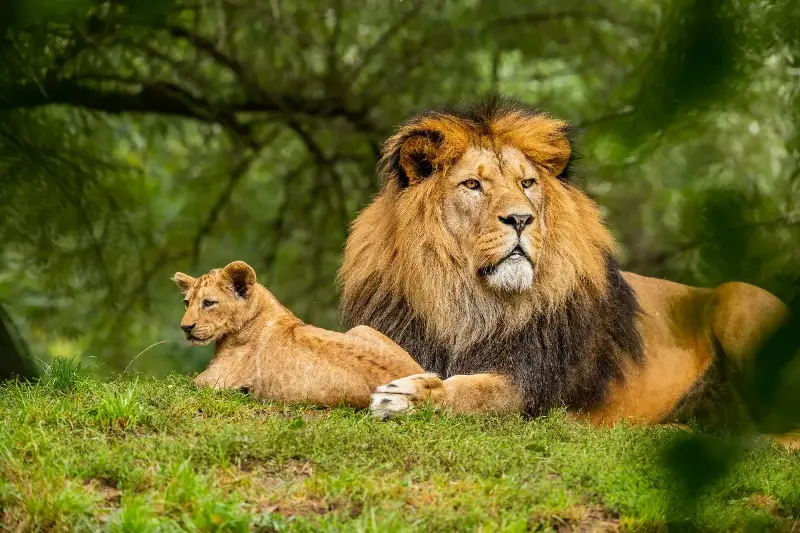
Lions’ social nature is unique among big cats. Prides are led by dominant males but rely heavily on the cooperation of lionesses for hunting. This teamwork allows them to outmaneuver fleet-footed prey and tackle dangerous animals like buffalo.
A male lion's intimidating mane not only makes him appear larger to rivals but also offers vital protection during territorial defense.
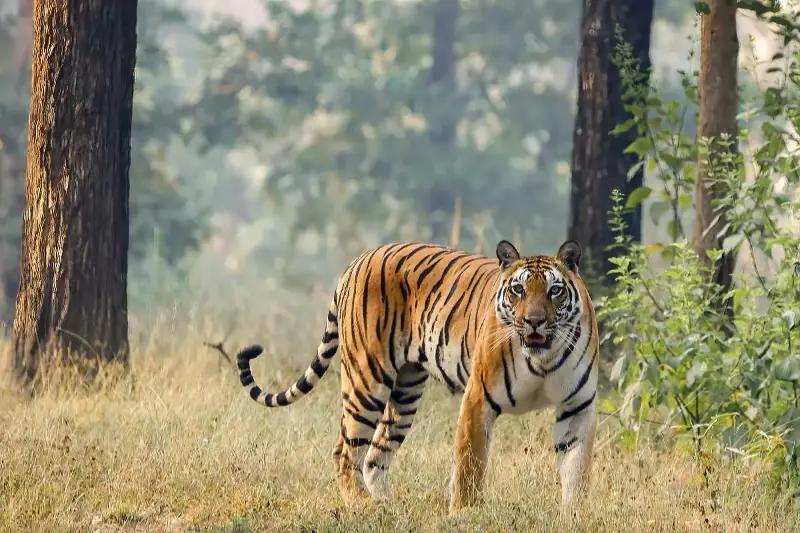
Tigers, by contrast, prefer stealth over teamwork. As masters of camouflage, they stalk their prey with immense patience and take it by surprise in a lightning-fast assault.
A tiger's solitary lifestyle means it must compete with no one for food, but the risks are higher: if a hunt fails, the tiger has no backup. However, this independence fosters remarkable problem-solving skills and adaptability.
FACE-OFFS IN THE WILD: WHO HAS THE EDGE?
What happens if these two titans meet? While lions and tigers do not naturally coexist in the wild today, historical accounts and rare encounters have fueled endless speculation.
Most wildlife experts agree that a tiger’s superior size and independent fighting style give it the edge in one-on-one combat. Yet, the outcome changes entirely if a single tiger faces a lion defending his pride, where numbers and pack courage come into play. In reality, both animals naturally avoid unnecessary lethal fights, preferring displays of power and intimidation over actual clashes.
THE CULTURAL CROWN: LEGENDS AND SYMBOLISM
Both cats hold a place of high honor across global folklore:
- Lions: Heavily featured in royal crests and ancient mythology, symbolizing valor, power, and royalty. Their formidable roar can be heard up to eight kilometers away, cementing their majestic reputation.
- Tigers: Rule the folklore of Asia, representing might, cunning, and spiritual protection. In terms of stealth and sheer muscle strength, many cultures view the tiger as the true king of all predators.
CONSERVATION STATUS: THE ROYAL BATTLE FOR SURVIVAL
Tratingly, both apex predators face serious modern threats. Lion populations have dropped over the past century due to habitat loss and human conflict, leaving fewer than 25,000 wild lions in Africa.
Tigers are even more vulnerable. With fewer than 4,000 individuals left in the wild, they teeter on the edge of extinction. Protecting these magnificent big cats has become a primary symbol of global conservation.
In the age-old debate of lion versus tiger, the true king is simply the one best suited to his own domain. The wild needs both its kings—one of the open plains, and one of the shadowed forests—to truly remain complete.