


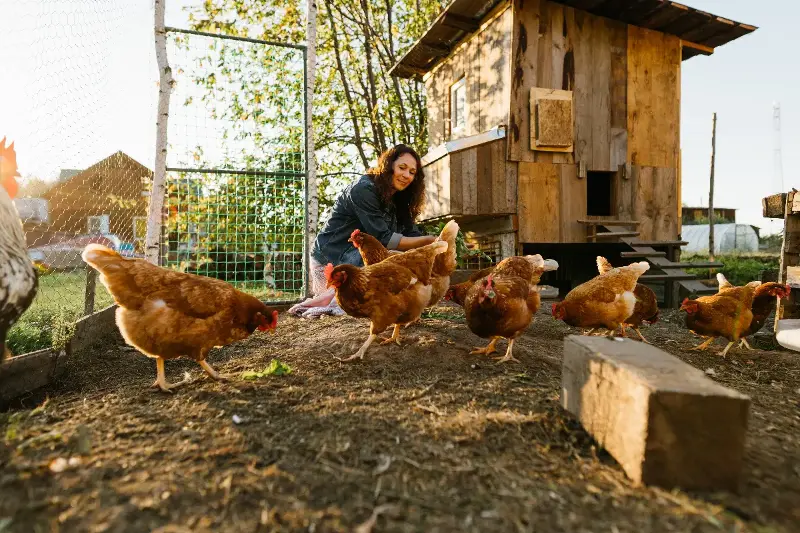
Fresh eggs from a backyard coop can turn an ordinary morning into something special. Beyond breakfast, a small flock recycles kitchen scraps, produces valuable garden fertilizer, and brings vibrant personality to daily life. For beginners, success relies less on sprawling land and more on creating a safe, clean, and well-planned home.
A healthy hen lays around 250 to 300 eggs per year, depending on breed, age, daylight, diet, and season. Most hens lay most reliably during their first two years, with production naturally slowing in winter. Setting up your coop correctly ensures a steady, healthy supply.
Checking Local Rules First
Before purchasing chicks or hens, review municipal zoning ordinances, homeowners’ association policies, and local animal welfare guidelines.
Key considerations include:
-
Rooster Bans: Many urban and suburban towns permit a few hens but strictly prohibit roosters due to noise.
-
Setback Requirements: Regulations often specify minimum distances between coops and neighboring properties.
-
Community Courtesy: Engaging in a friendly conversation with neighbors beforehand helps prevent future misunderstandings.
Choosing the Right Number of Hens
For most beginners, three to six hens represents an ideal starting flock. Three hens easily support a small family, while six yield plenty of eggs for baking and sharing. Because chickens are highly social creatures, they should never be kept alone.
A rooster is unnecessary if your primary goal is egg production. Hens lay eggs without one; roosters are only required for fertile eggs and raising chicks.
Popular beginner-friendly breeds include:
-
ISA Brown: Highly productive and easygoing.
-
Rhode Island Red: Hardy and reliable layers.
-
Plymouth Rock & Australorp: Docile, friendly, and great for families.
-
Sussex & Wyandotte: Beautiful, calm, and adaptable to various climates.
Building a Safe and Comfortable Coop
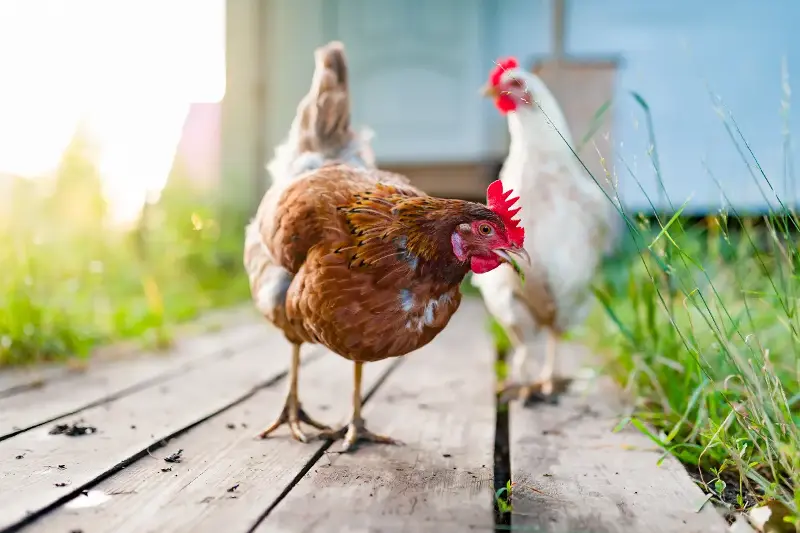
A secure coop protects your flock from weather extremes and predators like foxes, raccoons, dogs, and hawks. Strong construction matters far more than decorative style.
-
Indoor Space: Provide at least 3 to 4 square feet per standard hen inside the coop.
-
Outdoor Run: Allocate at least 8 to 10 square feet per bird in the outdoor run to prevent stress and feather pecking.
-
Protective Hardware: Use heavy-duty hardware cloth rather than thin chicken wire, which predators can easily tear. Bury the cloth underground around the perimeter to deter digging pests.
-
Ventilation: Place vents high near the roofline to allow fresh air movement without creating cold drafts at roost level.
Providing Nesting Boxes and Roosts
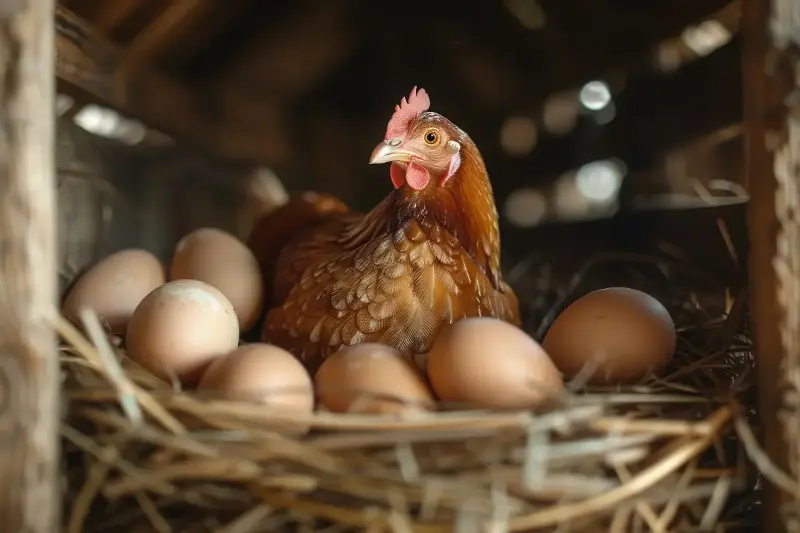
Hens require quiet, sheltered nesting boxes for laying eggs. One box for every three to four hens is sufficient, as they frequently share space. Line boxes with clean straw or wood shavings.
Position nesting boxes lower than the roosting bars so chickens do not sleep in them and soil the laying area. Roosts should offer 8 to 10 inches of perch space per bird with rounded edges for foot comfort. Collect eggs at least once daily to keep them clean and discourage breakage.
Feeding for Health and Strong Shells
A balanced commercial layer feed provides the essential protein, vitamins, and calcium needed for high-quality eggs. Adult hens consume roughly one-quarter pound of feed daily.
Hydration is equally critical: a single hen drinks more than a cup of water every day. Interruptions in water access cause sudden drops in egg laying. Offer crushed oyster shell separately for extra shell strength, alongside coarse grit to aid digestion.
Keeping the Coop Clean and Calm
Maintain a smooth routine to protect your flock's health:
-
Remove manure beneath roosting bars regularly.
-
Refresh soiled nesting material promptly.
-
Provide a dry dust bath area filled with sand or loose soil so hens can naturally clean their feathers and prevent pests.
Daily observation is essential. Healthy hens are alert, bright-eyed, and active. Early detection of drooping wings, limping, or pale combs allows you to isolate a sick bird quickly, keeping the rest of your flock safe and thriving.