


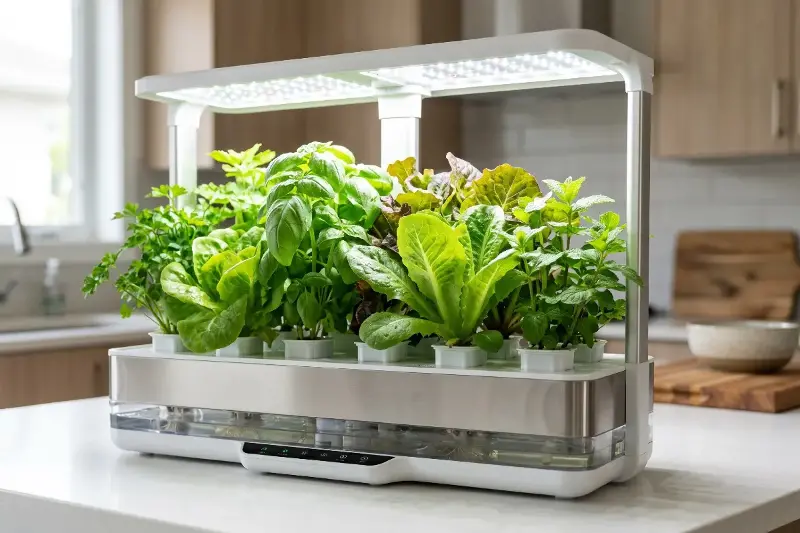
With more people living in apartments and compact urban spaces, the dream of harvesting fresh lettuce, tomatoes, or herbs straight from a backyard may seem out of reach. However, a new trend is sprouting in city centers worldwide: mini hydroponic systems.
These compact, water-based setups are transforming kitchens, balconies, and even window sills into lush vegetable gardens. They are completely revolutionizing how urbanites think about sustainable living and home gardening—requiring no soil, minimal mess, and surprisingly simple technology.
THE SCIENCE BEHIND HYDROPONICS
Hydroponics might sound complex, but the underlying concept is delightfully straightforward. Instead of relying on traditional soil, plants grow directly in a nutrient-enriched water solution.
- Efficient Absorption: Roots absorb minerals and vitamins far more efficiently, resulting in quicker growth and superior yields.
- Photosynthesis Drivers: Light—either from a sunny window or energy-efficient LED grow lights—drives photosynthesis, while a basic system of wicks or pumps keeps roots perfectly hydrated.
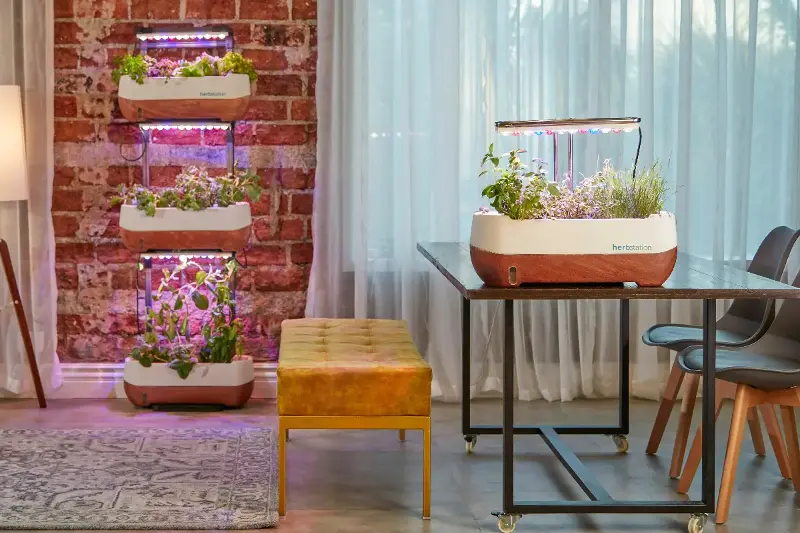
- The Space Advantage: Mini hydroponic kits can be as small as a shoebox, making them ideal for cramped apartment living. Because they don’t require heavy soils or bulky garden beds, these systems can be stacked vertically to turn an ordinary wall or counter into a fresh-produce factory.
WHY URBAN HYDROPONICS IS BOOMING
Rising urban populations, food safety awareness, and a shared desire for sustainable living have all fueled the immense popularity of home hydroponics. For city dwellers who want to reduce their carbon footprint, growing greens at home is more accessible than ever.
Mini hydroponic systems fit effortlessly into modern homes, bringing numerous everyday benefits:
- Water Efficiency: They use up to 90% less water than traditional soil-based gardening.
- Pest Control: Structural pest issues are heavily minimized since most common garden bugs live and breed in soil.
- Year-Round Harvests: Plants can grow effortlessly through every season, completely unaffected by outdoor weather.
- Low Maintenance: Most compact kits run silently and require only a few minutes of care each week.
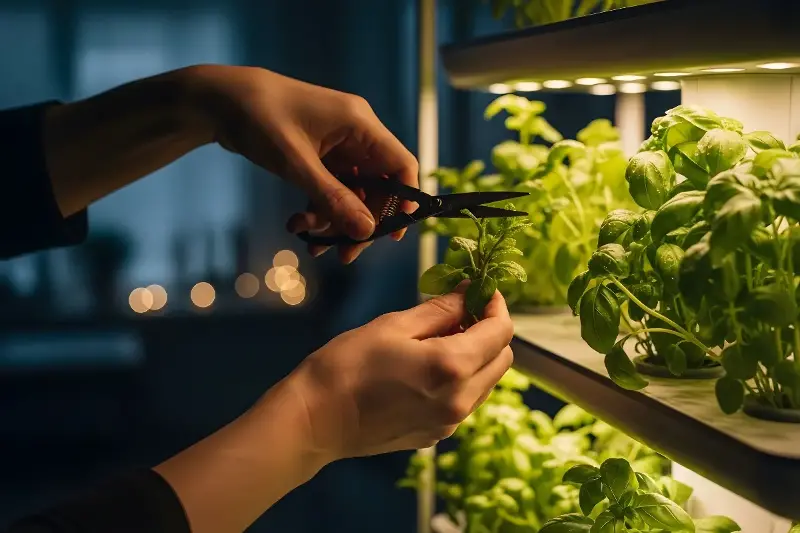
Many city gardeners get started simply to have easy access to clean, pesticide-free veggies, while others love the therapeutic aspect of nurturing a living plant. Watching basil sprout on a kitchen counter provides a comforting connection to nature amidst busy city life.
WHAT GROWS BEST IN A MINI HYDROPONIC GARDEN
The limitations of small spaces don’t mean you have to settle for bland options. Leafy greens thrive exceptionally well in these setups: spinach, arugula, kale, cilantro, and butter lettuce are all hydroponic superstars. Fast-growing herbs like mint, dill, chives, and basil flourish with little fuss and deliver homegrown flavor year-round.
For the more adventurous gardener, small fruits and vegetables can be introduced:
- Compact Fruits: Two-tiered systems can easily host cherry tomatoes, small peppers, and even strawberries.
- Rapid Development: Hydroponic plants frequently grow up to 50% faster than those in traditional soil, letting you harvest more often and plan fresh meals well ahead of time.
GETTING STARTED: CHOOSING THE RIGHT SYSTEM
There is an excellent range of hydroponic kits available for every skill level and budget.
For beginners, wick systems are a fantastic starting point—they are inexpensive, highly practical, and almost maintenance-free. Kratky systems are another incredibly popular choice, relying on a simple, passive reservoir of water and nutrients with no electric pumps required.
More advanced indoor gardeners might opt for deep-water culture systems or compact tower units that actively circulate nutrients and oxygen. Regardless of the setup, all systems share the same basic components: a reservoir for water, a specialized plant holder, and a dedicated light source. Most modern kits come with automated timers, making it simple to grow produce even in dark rooms.
TIPS FOR HAPPY AND HEALTHY PLANTS
Getting started with mini hydroponics is an easy and rewarding process. Most kits include seeds, nutrients, and step-by-step instructions. For the best possible results, keep these expert tips in mind:
- Select Compact Seeds: Choose seed varieties tagged as “hydroponic” or “dwarf” for optimal growth in small spaces.
- Keep It Clean: Change the reservoir water every two weeks to prevent mold and keep the system fresh.
- Optimize Lighting: Position your system to receive 12 to 14 hours of steady light daily via a timer-equipped grow light.
- Get the Family Involved: Children love watching the rapid root growth process, making mini hydroponics an educational family project.
In a world where grocery prices and urban stress climb higher, a mini hydroponic garden offers a peaceful green retreat—and a satisfying way to cut your environmental impact.