


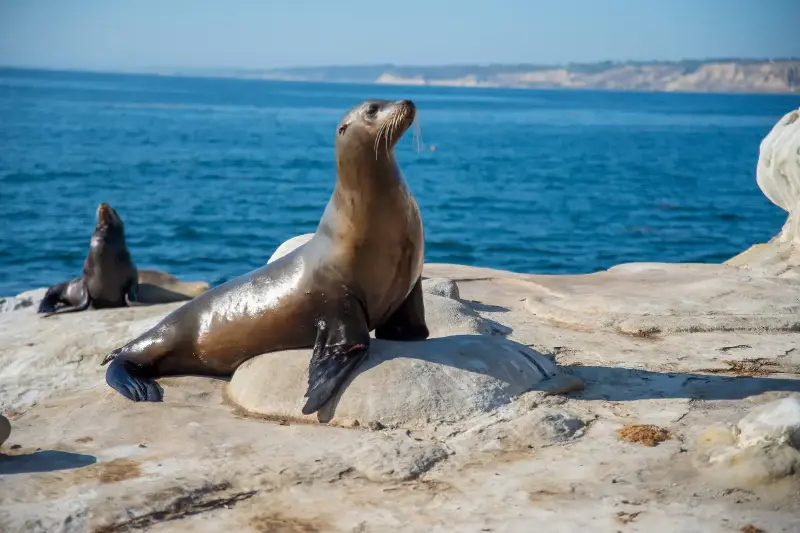
Sea lions are often mistaken for their more reserved cousins, the seals, but these lively marine mammals have carved out a niche as some of the ocean’s most spirited residents. Whether darting through crashing waves, basking on sun-warmed rocks, or engaging in underwater games, sea lions are truly extraordinary. Behind their famous whiskered smiles lies a wealth of intelligence, complex social lives, and physical adaptations that set them apart in the marine world.
ENDEARING SOCIAL BUTTERFLIES
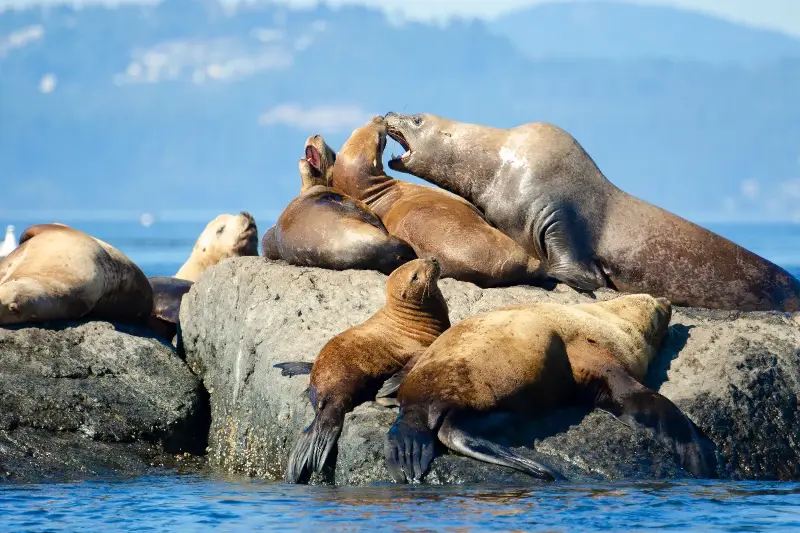
Sea lions are the true social stars of the pinniped family. While true seals often prefer a solitary life, sea lions thrive in massive, bustling colonies known as rookeries.
- Vibrant Dynamics: Within these thousands-strong groups, adults establish hierarchies through vocalizations, while pups engage in constant play.
- Underwater Rugby: You may witness sea lions tossing seaweed, shells, or driftwood to one another. This isn’t just for fun—it is a vital way to strengthen social bonds and develop coordination.
- Attentive Parenting: Mother sea lions are famously dedicated, using playful imitation to teach their pups essential survival skills.
REMARKABLE ADAPTATIONS FOR LIFE AT SEA
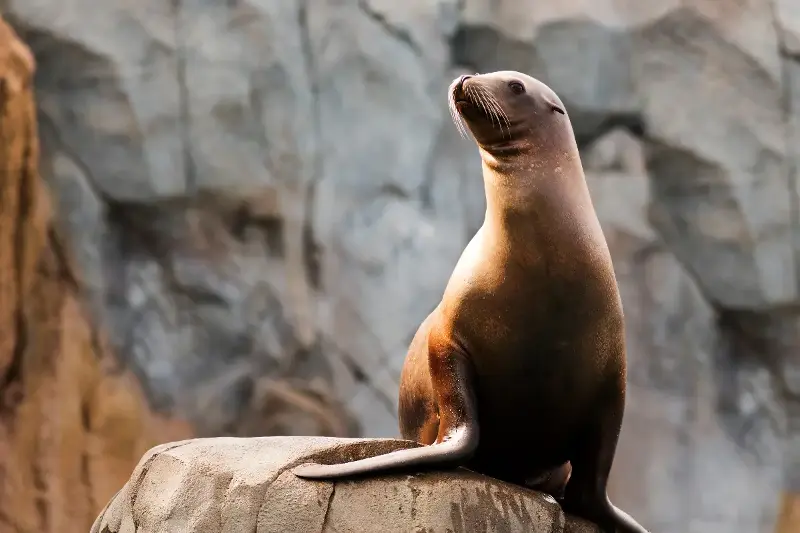
Beyond their jovial demeanor, sea lions are biological marvels. Their anatomy is perfectly tuned for life in the deep blue.
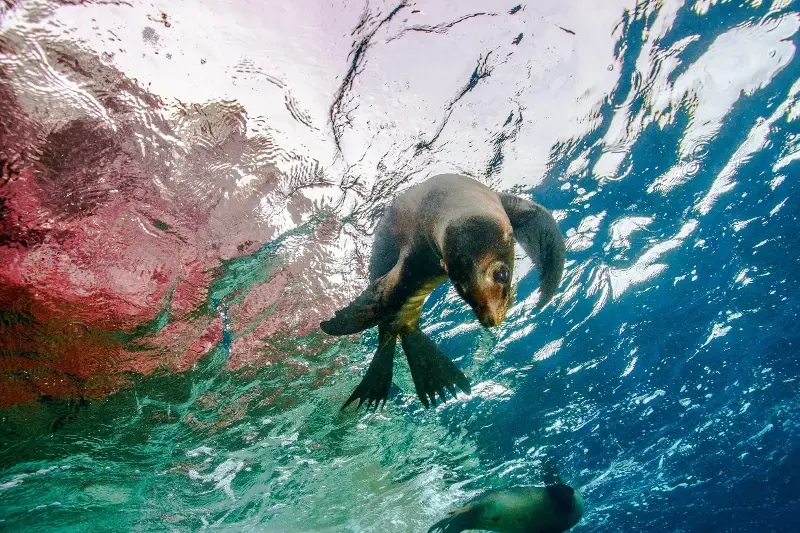
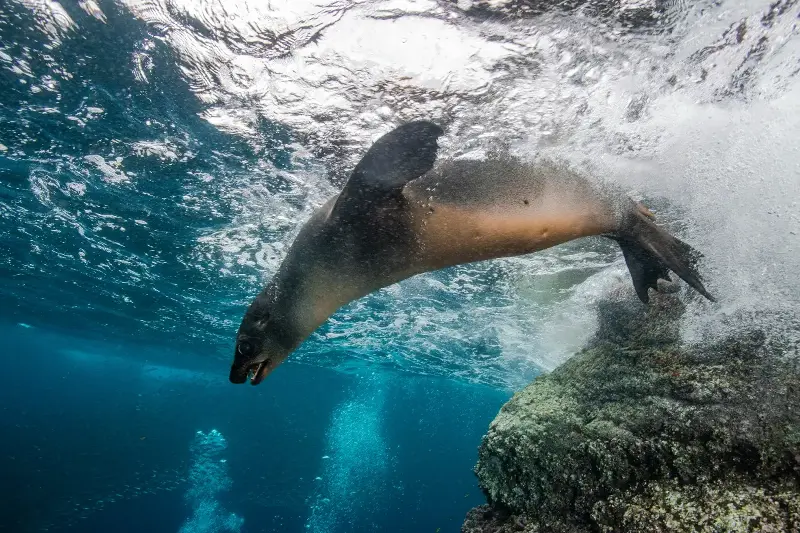
- Aquatic Flight: Unlike seals that rely on hind flippers, sea lions use their powerful front flippers like wings, "flying" through the water with effortless grace at speeds up to 25 miles per hour.
- Deep-Sea Mastery: They can hold their breath for up to 20 minutes and dive to depths of 600 feet. Before diving, they exhale to reduce buoyancy, and their bodies utilize a unique network of blood vessels to preserve oxygen for vital organs.
COMMUNICATION: CHIRPS, BARKS, AND WHISPERS
Sea lions are incredibly expressive and highly vocal. If you walk along a rocky coastline, you will likely hear their signature barks long before you see them.
- Signature Barks: Used to defend territory and sound alarms, these calls are also essential for helping mothers and pups find one another in a noisy rookery.
- Subtle Signals: Beyond boisterous calls, they use body language—such as arching backs or gentle nuzzling—to signal affection.
- Tactile Awareness: Their whiskers, or vibrissae, are packed with sensitive nerves, allowing them to "feel" nearby movement and navigate the water with precision.
SAVVY HUNTERS ON THE MOVE
As intelligent, opportunistic carnivores, sea lions utilize clever strategies to thrive.
- Cooperative Hunting: Groups often work together to herd fish into dense schools, using teamwork that mirrors the coordination of synchronized swimmers.
- High Intelligence: Research has shown that these animals can solve complex puzzles, mimic human actions, and even demonstrate self-awareness, making them among the most curious creatures in the sea.
CONSERVATION AND COEXISTENCE
While some populations like the California sea lion are thriving, others require our dedicated protection. Threats such as habitat loss and ocean pollution remain significant, but the future is hopeful.
- Active Rehabilitation: Specialized centers rescue and treat injured individuals, returning them to the wild.
- Eco-Friendly Tourism: Responsible observation educates the public, fostering a deep appreciation for these animals while minimizing human impact.
Sea lions serve as a joyful reminder of the ocean's vitality. By protecting their habitats and promoting coexistence, we ensure that these spirited, intelligent, and endearing creatures continue to delight us for generations to come.