


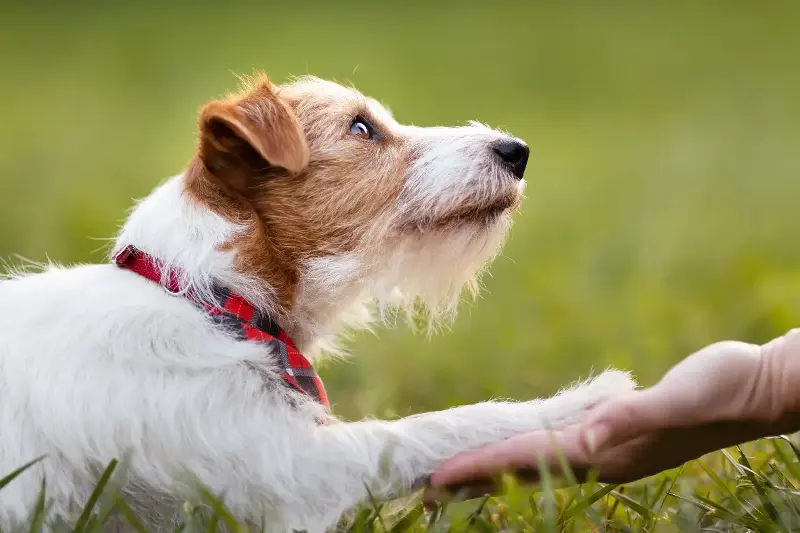
Understanding canine body language builds deeper trust and helps create a safer, happier environment for both humans and pets. Dogs communicate continuously long before they utter a single bark, using a rich vocabulary of posture, facial expressions, and movement. By learning to observe these subtle signals, dog owners can respond to their pets' emotional needs with confidence and clarity.
The Foundations of Canine Communication
Unlike humans, dogs rely entirely on nonverbal clues to express how they feel. A relaxed dog exhibits soft eyes, an open mouth, and a loose, fluid body. Conversely, a dog experiencing stress or uncertainty may display distinct behavioral markers:
-
Head turning away from a trigger
-
Frequent lip licking or yawning
-
Sudden immobility or freezing in place
-
A stiffened stance with weight shifted away
Observing these small details allows owners to resolve minor discomforts before they turn into overwhelming situations.
Evaluating the Overall Body Shape
Focusing on a single body part rarely tells the full story. A wagging tail alone is not absolute proof of friendliness. A dog displaying a wagging tail alongside stiff legs, a closed mouth, and a focused gaze is often in a state of high alertness or tension. Authentic excitement is typically accompanied by a wiggly torso, relaxed muscles, and an overall rounded body shape.
Posture offers instant insight into a dog's emotional state:
-
Comfort and Ease: Weight is distributed evenly across all four paws, accompanied by soft, loose movements.
-
Apprehension or Alertness: The frame appears rigid, with weight leaning distinctly forward or backward.
-
Emotional Arousal: Raised fur along the back (piloerection) indicates heightened stimulation, which can stem from excitement just as easily as fear.
Context is always critical. A low crouch during a game of chase indicates playful engagement, whereas the same posture near a unfamiliar object may signal anxiety.
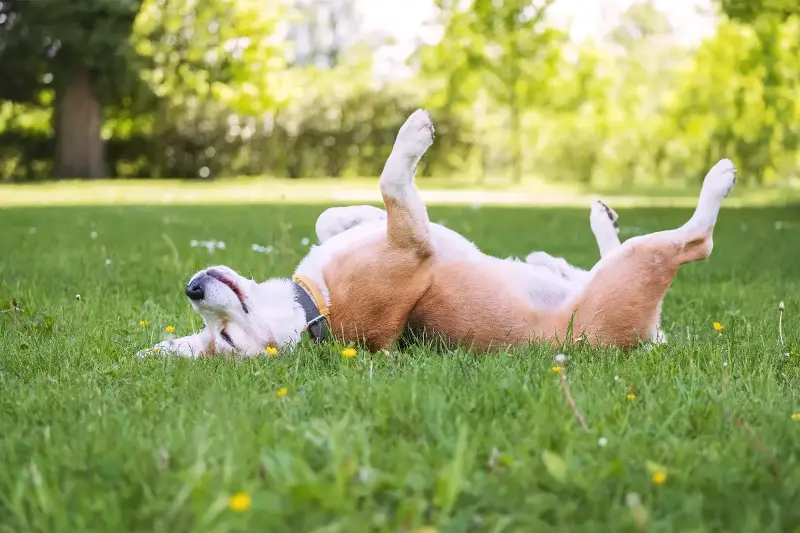
Decoding Tail Signals
Tail position varies significantly by breed; a Greyhound naturally carries its tail low, while a Siberian Husky carries its tail curled overhead. The key is noting changes from an individual dog's baseline.
-
Broad, Sweep Wags: Indicates friendly interest and general contentment.
-
High, Stiff Movements: Signals intense focus, high energy, or confidence.
-
Low or Tucked Position: Suggests insecurity, fear, or a desire for safety.
-
Tip-Only Movements: Displays hesitation while assessing a situation.
Expressions Across Eyes, Ears, and Mouth
A dog's face provides immediate emotional indicators. Soft eyelids and gentle blinking signal calm comfort. However, when the eyes widen to show white outer edges—a presentation often called whale eye—the dog is communicating feeling overwhelmed or defensive.
Ear placement complements these visual cues. Ears resting naturally reflect ease, forward-oriented ears convey curiosity, and ears pulled flat back usually signal unease or submission.
Facial tension also reveals underlying emotions through specific signs:
-
Relaxed state: Slightly open mouth with a natural tongue posture.
-
Tense state: Tightly closed lips with visible muscle tightness around the muzzle.
-
Calming signals: Yawning or exaggerated lip-licking used to de-escalate surrounding tension.
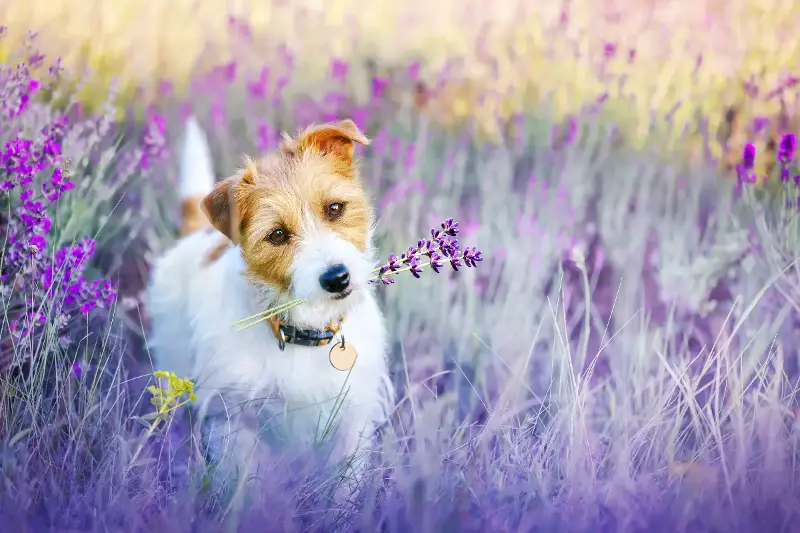
Recognizing Playful Invitations
The classic play bow—where a dog lowers its chest to the ground while keeping its hindquarters raised—is an unambiguous invitation to interact.
Healthy play is dynamic and balanced. Dogs naturally incorporate brief pauses, alternate roles during chase games, and display loose, bouncy movements. If an interaction becomes one-sided, or if one participant repeatedly seeks exit routes, stepping in to offer a quiet break ensures the experience remains positive for everyone.
Respecting Boundaries and Requests for Space
Dogs communicate boundaries well before reaching a point of intense distress. Initial signs of mild stress include turning away, sudden sniffing at the ground, or walking to another room.
If these early requests go unheeded, a dog may progress to stiffer posture or vocal warnings like a growl. Growling should never be penalized; it functions as a vital safety communication indicating that space is needed immediately.
Providing undisturbed space during key moments maintains safety:
-
While the dog is eating or enjoying treats
-
During sleep and resting periods
-
When recovering from physical fatigue or vet visits
-
During initial introductions to new environments
Becoming a thoughtful observer creates an environment of mutual respect. Recognizing every happy tail swirl and quiet request for space allows dogs to feel fully understood without ever needing words.