


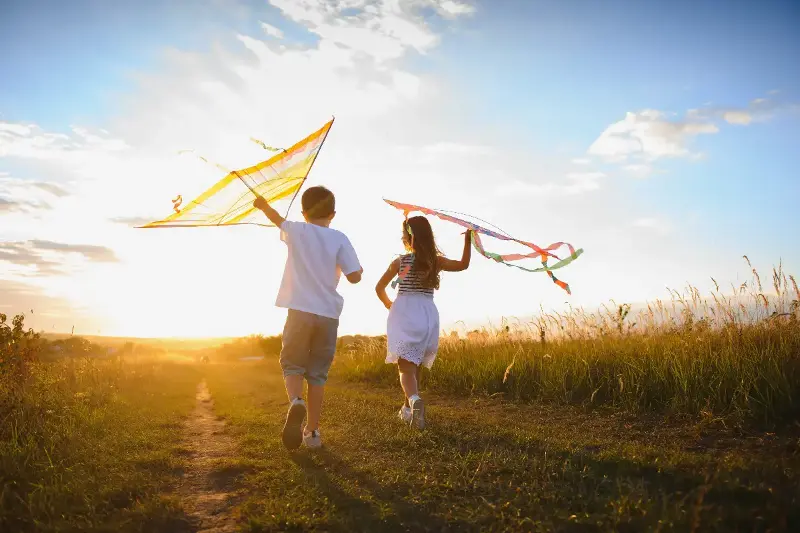
Young children learn at a remarkable speed, but rarely in the rigid ways adults expect. A four-year-old building a block tower, running a pretend bakery, or negotiating roles in a game may look like they are simply having fun. In reality, these moments do critical foundational work.
Free play helps young children build the essential social, emotional, physical, and cognitive skills that make formal reading and writing far easier later on. While brief, playful literacy activities are useful, formal lessons centered on drills and worksheets can crowd out what children need most: time to explore, invent, move, choose, and connect.
How Play Shapes the Developing Brain
Free play is child-led. Whether using art supplies, blocks, costumes, or household objects, children decide how to use the materials. This freedom requires them to plan, test ideas, solve problems, and adapt when things go wrong:
- Fostering flexible thinking: Rebuilding a fallen block bridge teaches balance, spatial relationships, and resilience.
- Strengthening executive function: Children practice self-control, working memory, and focus as they organize imaginary scenarios and remember game rules.
- Building school readiness: Children who develop strong self-regulation adapt far more smoothly to formal classroom environments.
These core mental abilities are directly connected to long-term learning and academic success.
Language Flourishes in Imaginary Moments
Children do not need flashcards to acquire rich language. During pretend play, they naturally use more complex vocabulary and longer sentences than in routine conversations:
- Contextual vocabulary: Words like "enormous" or "expedition" gain immediate meaning when attached to an imaginary cardboard spaceship adventure.
- Storytelling mastery: Make-believe games encourage children to practice sentence structure, negotiation, and narrative flow.
- Natural adult support: Parents and caregivers can enrich language simply by making curious observations (e.g., "I wonder how the animals will cross that river"), allowing the child to remain in control.
Singing songs, reading aloud together, and engaging in warm daily conversations remain the most effective ways to nurture early language skills.
Essential Social Skills Cannot Be Downloaded
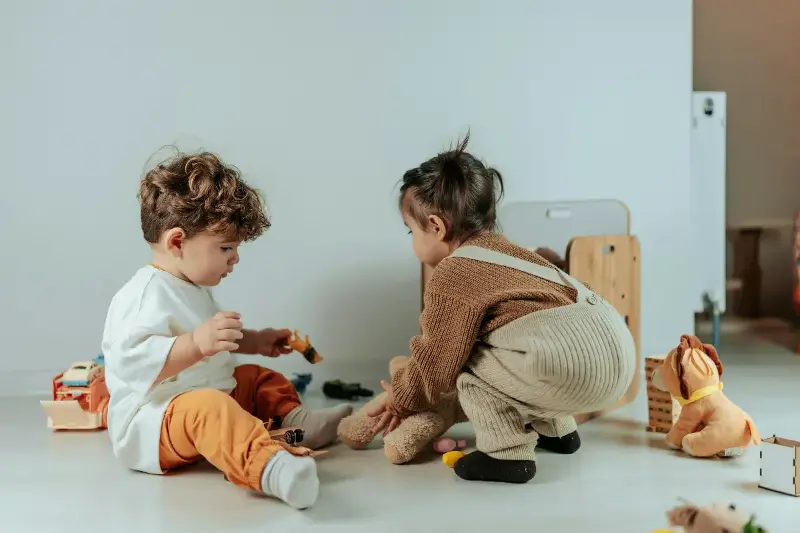
Unlike solitary tracing sheets or letter drills, free play provides a natural testing ground for human relationships. Playing with others teaches children vital emotional tools:
- Conflict resolution: Deciding how to share a toy truck teaches negotiation and patience.
- Managing frustration: Adapting when a game changes direction builds emotional resilience.
- Building confidence: Shy children find safe, comfortable opportunities to express themselves through pretend roles.
Children who enter school feeling capable, cooperative, and emotionally secure approach reading and writing with eager curiosity rather than a fear of making mistakes.
Movement Directly Supports Writing
Young children are built to move. Physical activity lays the structural foundation for classroom learning:
- Fine motor strength: Squeezing clay, using chalk, threading beads, and building with small blocks strengthen the hand muscles required to hold a pencil correctly.
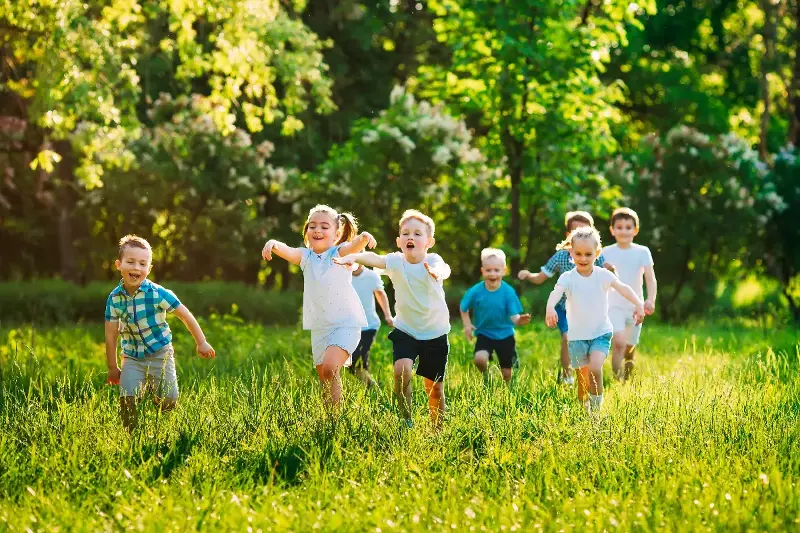
- Gross motor stability: Running, climbing, and balancing build the posture and shoulder stability needed for comfortable sitting and writing.
- Enhanced focus: Active outdoor play releases energy, allowing children to settle happily into quiet story times afterward.
Physical movement is not a distraction from learning—it is an active component of early cognitive development.
What True Early Literacy Requires
The strongest foundation for literacy is not early academic pressure, but a language-rich, responsive environment. Reading together, noticing print in daily life, answering questions, and encouraging scribbles and drawings create a positive relationship with books.
A childhood rich in free play creates the exact conditions early literacy needs to flourish: strong vocabulary, imaginative thinking, emotional security, and a genuine love of discovery.