



Weather can change a routine commute into a demanding test of focus within minutes. Rain reduces tire grip, fog shrinks visibility, strong winds shift vehicles unexpectedly, and extreme heat strains mechanical systems.
Defensive driving is about anticipating these risks before they turn into emergencies. It is not simply about driving slowly—it is about making calm, informed choices that give you enough time and space to react safely.
Building a Safe Shield Around Your Vehicle
Your primary defense against adverse conditions is creating physical distance. Maintaining a generous safety cushion provides the essential time needed to respond to sudden hazards:
- Increase following distance: Maintain a minimum three-second gap in dry conditions. Double this distance in heavy rain, and increase it dramatically on ice, snow, or loose gravel.
- Avoid cluster driving: Avoid traveling directly alongside large trucks or buses. Their wide blind spots and heavy road spray can instantly obscure your view.
- Maintain an active escape route: When stopping at traffic signals, stay far enough behind the vehicle ahead so you can see its rear tires touching the asphalt. This leaves room to maneuver if a vehicle approaches too fast from behind.
Navigating Rain and Hidden Road Hazards
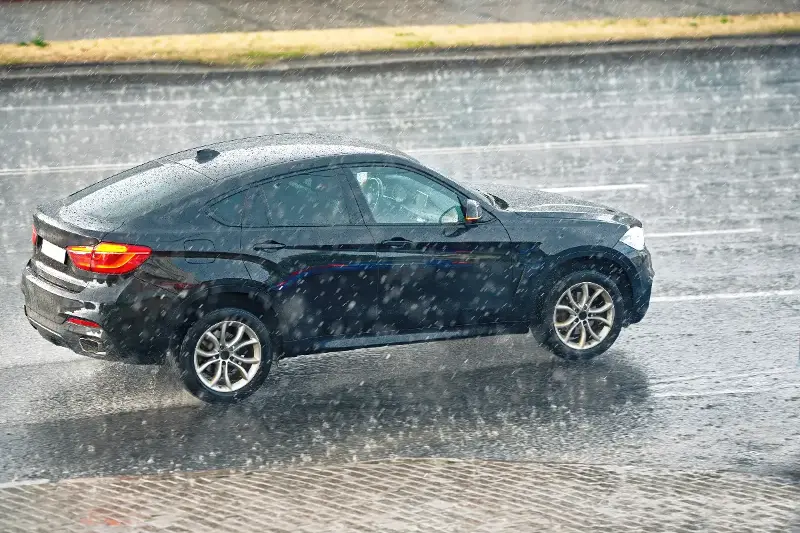
The onset of rain presents unique hazards. The initial rainfall mixes with oil and dust on the road surface, creating a slick film long before drivers realize traction has dropped.
- Prevent aquaplaning: When tires ride on a layer of water instead of the road, steering can feel dangerously light. If this happens, ease off the accelerator smoothly, keep the wheel straight, and avoid braking sharply until tires regain grip.
- Maximize visibility: Turn on low-beam headlights during rainy conditions so other drivers can see you easily. Ensure your windshield wiper blades and washer fluids are fully maintained before heading out.
Conquering Fog, Darkness, and Low Visibility
Fog creates a deceptive illusion, making drivers feel they are traveling slower than they actually are. Managing visibility requires distinct adjustments:
- Use low-beam headlights only: Avoid high beams in fog, as the light reflects off floating water droplets, creating a blinding wall of glare.
- Manage cabin moisture: Use your vehicle's demisters and air conditioning simultaneously to strip humidity from the interior air, keeping windows crystal clear.
- Pull over safely: If visibility drops to dangerous levels, move entirely off the active roadway to a designated parking area, switch on hazard lights, and wait for conditions to clear.
Cold-Weather Control and Slippery Surfaces
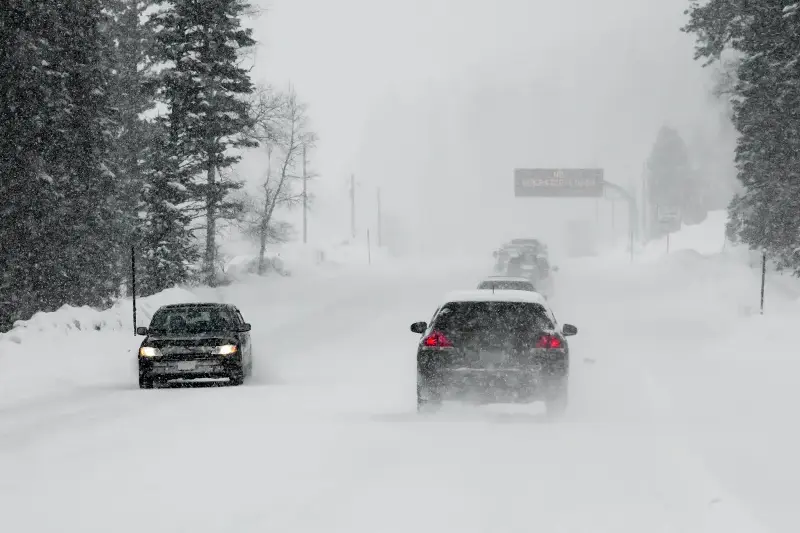
Bridges, overpasses, and shaded stretches freeze earlier and stay icy longer than standard pavement. Black ice appears as a thin, transparent layer that mimics wet asphalt, catching unprepared drivers off guard.
- Clear the entire vehicle: Remove all snow and ice from your roof, hood, lights, and mirrors before driving. Loose snow on a roof can slide forward onto your windshield during sudden braking.
- Execute gentle inputs: Accelerate, steer, and brake with smooth, deliberate motions. Sudden actions break tire traction on slippery roads.
- Trust modern braking systems: If your car is equipped with anti-lock brakes (ABS), press the brake pedal firmly during an emergency stop and hold it down—do not pump the pedal.
Handling Strong Winds, Heat, and Long Journeys
High-profile vehicles, trailers, and roof-loaded cars are particularly vulnerable to sudden wind gusts. Keep both hands firmly on the steering wheel and allow extra space when passing cyclists or high-sided vehicles.
In extreme heat, inspect tire pressure when the rubber is cool. High ambient temperatures increase tire stress, making proper inflation crucial for preventing breakdowns.
Defensive driving comes down to patience, preparation, and awareness. By adjusting your speed, maintaining a safe gap, and staying focused, you can confidently navigate any condition the road throws your way.